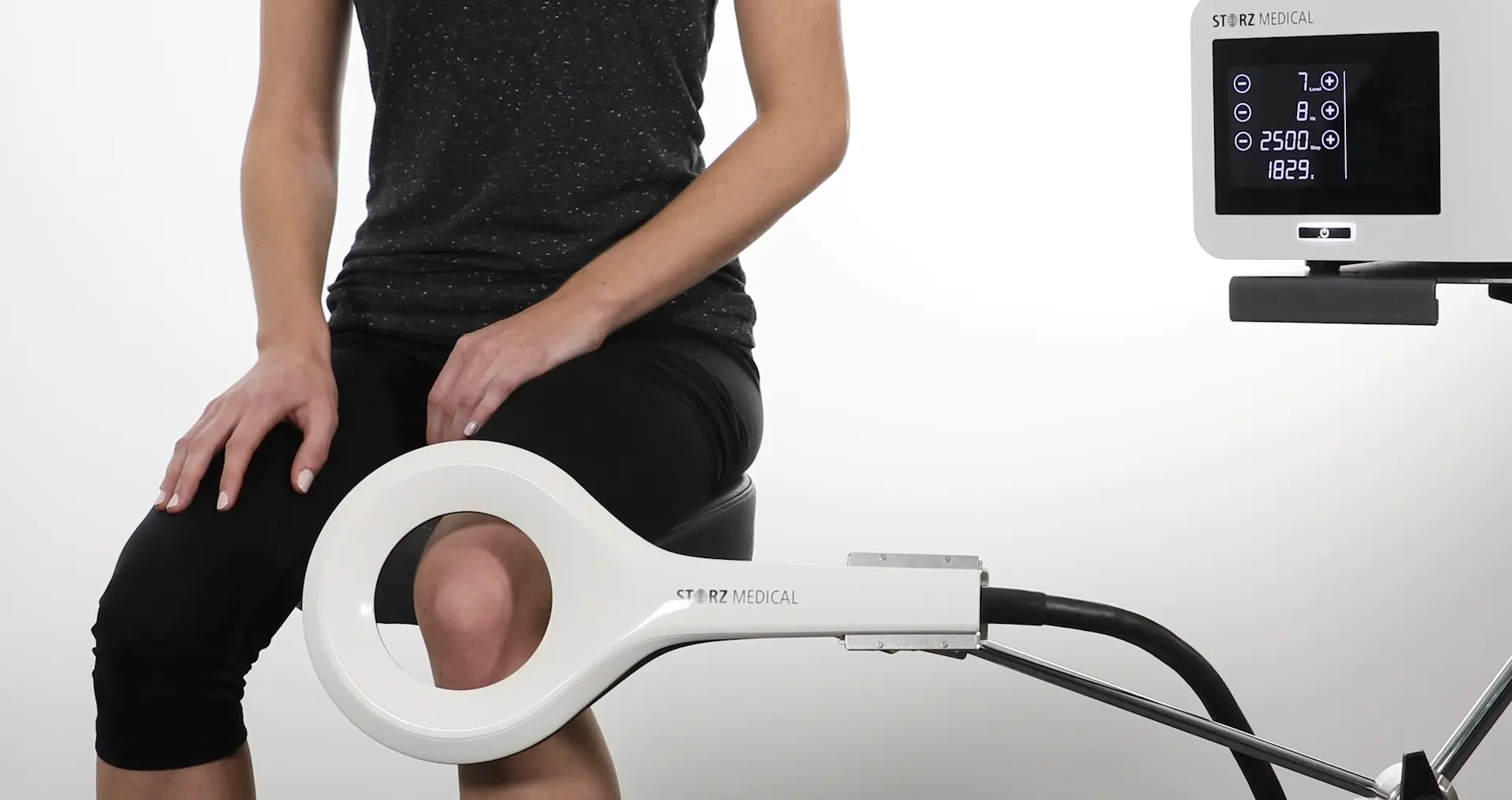
EMTT, short for Extracorporeal Magnetotransduction Therapy, is an advanced magnetic treatment used for stubborn joint, tendon, and soft-tissue pain that has not responded to rest or other care. It uses high-energy magnetic pulses to reach deep into tissue and support the body’s natural repair processes, without needles, medication, or downtime. At Princeton Spine Disc and Chiropractic in Princeton, NJ, Dr. Sojitra uses EMTT as part of a regenerative approach for chronic pain and slow-healing injuries. It is one of several advanced tools that many local clinics simply do not offer.
What EMTT Is and How It Works
EMTT, or Extracorporeal Magnetotransduction Therapy, delivers high-energy magnetic pulses into the body at a frequency tuned to stimulate cellular activity. Unlike a simple magnet you might picture, this is a targeted, high-intensity field designed to reach deep structures.
Those pulses appear to support the body’s own repair signaling in tissue that has become inflamed or slow to heal. The idea is to help cells in a stalled, painful area get back toward normal function, particularly in tendons, joints, and connective tissue where blood flow and healing can be limited.
In simple terms, healthy cells carry a small electrical charge, and injured or inflamed cells often lose some of it. The magnetic pulses in EMTT are thought to help restore that normal cellular activity, which is the environment tissue needs to repair itself. It is a way of nudging a stalled healing process back into motion.
What Makes EMTT Different From Standard Treatments
Most conventional options for chronic joint and tendon pain fall into two camps: manage the symptoms, or consider a procedure. Anti-inflammatories, rest, and bracing can calm a flare, but they do not do much to change the tissue itself.
EMTT sits in a different category. It is non-invasive, drug-free, and requires no downtime, yet it works at the level of the tissue rather than only the pain. For people who want something more than symptom control but are not ready for injections or surgery, that gap is exactly where it fits.
It is also worth being clear about what it is not. EMTT is not a painkiller and not a quick numbing trick. It works slowly and quietly, at the level of the tissue, which is a very different promise from a treatment that masks pain for a few hours.
What EMTT Is Used For
EMTT is used for a range of stubborn musculoskeletal problems, especially ones that have lingered. Common uses include:
- Chronic tendon issues such as tennis elbow and Achilles tendinopathy
- Osteoarthritis-related joint pain
- Knee pain and other large-joint complaints
- Shoulder and hip pain
- Back and neck pain with a soft-tissue component
- Sports injuries that are slow to resolve
The common thread is tissue that has not healed on its own and keeps causing pain, which is where a treatment aimed at the repair process can help.
EMTT and SoftWave: Better Together
EMTT is often paired with SoftWave therapy, and the two complement each other well. SoftWave uses acoustic wave energy to trigger a repair response and recruit the body’s own healing cells, while EMTT uses magnetic energy to support cellular activity across a broader area.
Used together, they approach the same problem from two angles. For deeper or more widespread joint and extremity pain, that combination often does more than either could alone. If you are weighing wave-based options, this comparison of SoftWave versus shockwave therapy is a useful companion read.
Which combination is right, and in what order, is decided from your evaluation rather than a fixed formula.
What a Session Is Like
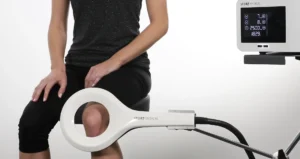
An EMTT session is simple and comfortable. There are no needles and nothing to recover from. The applicator is positioned over the treatment area, and you feel a light pulsing sensation while it runs, usually for several minutes per region.
Sessions are typically brief and are commonly done in a short series over a few weeks, since tissue repair happens gradually rather than instantly. Most people return to normal activity right away afterward.
Many people use the time to relax, and some combine it with other parts of their visit so everything happens in one trip. The experience is closer to a passive treatment than an active workout, which makes it easy to stay consistent with over the few weeks it typically runs.
How EMTT Fits Into a Treatment Plan
EMTT is rarely used as a one-off. Like everything at the practice, it starts with the two-day evaluation: a full assessment on the first visit, then a plan on the second that spells out whether EMTT makes sense for your specific problem and how it fits with anything else you need.
From there, a typical course runs across several sessions over a few weeks, timed to give the tissue a chance to respond between visits. Because there is no downtime, EMTT slots easily alongside chiropractic care, decompression, or other therapies without interrupting your routine.
Why Access to Advanced Tools Matters
Here is part of what sets the practice apart. Many clinics simply do not have technology like EMTT, which means patients with stubborn tissue problems are often left with the same short list: rest, painkillers, or a referral for a procedure.
Dr. Sojitra has deliberately built out a regenerative toolkit so there are real options in between. Having EMTT available means a slow-healing tendon or an arthritic joint can be approached directly, rather than simply managed while it lingers. It reflects a broader commitment to offering treatments that address tissue, not just pain.
For patients who have been told to simply live with a chronic tendon or joint problem, that difference can matter a great deal. Options in Princeton that were once available only at specialized centers are part of what makes a thorough, root-cause plan possible here. It is one more way the practice tries to close the gap between managing a problem and actually treating it.
Frequently Asked Questions
Does EMTT hurt?
Most people feel only a light pulsing or tapping sensation during treatment, not pain. There is no numbing needed and no recovery time afterward.
How soon might I notice a difference?
It varies with the condition and how long it has been present. Because EMTT works by supporting tissue repair, changes tend to build over a series of sessions rather than after a single visit.
Is EMTT a cure for arthritis?
No. EMTT does not reverse arthritis, but it can help reduce pain and support the surrounding tissue as part of a broader plan. Your evaluation will clarify what it can realistically do for your situation.
Can EMTT be combined with other treatments?
Yes. It is frequently combined with SoftWave, chiropractic care, and other therapies, with the mix chosen based on what your evaluation finds.
Explore Whether EMTT Fits Your Situation
If joint or tendon pain has stuck around despite rest and the usual treatments, EMTT may be an option worth discussing. Call the practice at (609) 228-9996 or use our contact page to schedule an evaluation in Princeton, NJ.