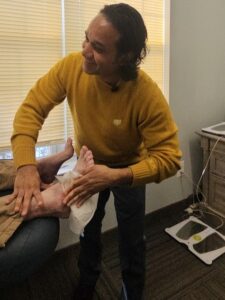
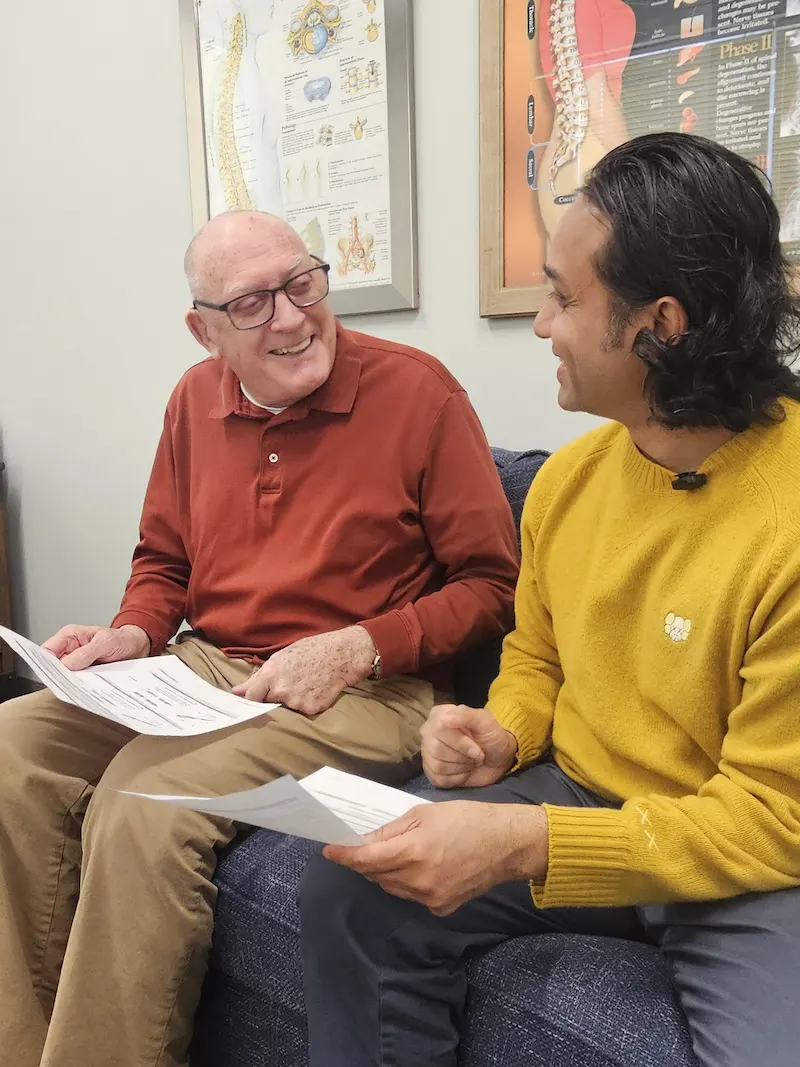
The Manish Method is Dr. Sojitra’s approach to finding and treating the root cause of a problem, rather than chasing the symptom that sent you looking for help. As a root-cause focused chiropractor in Princeton, NJ, he built the method around a simple idea: if pain keeps coming back, something underneath it has not been addressed. It combines a detailed two-day evaluation with a treatment plan tailored to what that evaluation actually finds. For patients who have been through other treatments without lasting relief, this is often what has been missing.
Why “Root Cause” Is More Than a Slogan
Plenty of clinics say they treat the root cause. The difference is in what happens next. For a lot of pain treatment, the goal is to quiet the symptom: reduce the pain, calm the inflammation, and send you on your way. That can feel like progress right up until the problem returns.
The Manish Method starts from a different question. Instead of asking how to make the pain stop today, it asks why the pain is there in the first place. If a nerve is compressed, a joint is not moving, or a muscle has shut down, those are the things that have to change for relief to last. Masking the signal never addresses the source generating it.
What the Manish Method Actually Is
The Manish Method is the framework Dr. Sojitra uses to move from symptom to source. It is not a single technique or one machine. It is a way of thinking about the body as a connected system, paired with the testing and tools needed to act on what he finds.
In practice, that means three things: a thorough evaluation before any treatment, a clear explanation of what is actually driving the problem, and a plan built specifically around that cause. The order matters. Treatment that starts before the cause is understood is how people end up cycling through approaches that never quite work.
The Two-Day Evaluation, and Why It Matters
Most people are used to a first visit that ends with a treatment. Here, the first visit ends with information. Dr. Sojitra separates the process into two days on purpose, and that structure is central to how the method works. You can see the full sequence on the Our Process page.
Day One: The Evaluation
The first visit is dedicated entirely to understanding your situation. That can include a detailed history, an orthopedic and neurological exam, movement and posture assessment, and objective testing such as Sudoscan for nerve function or imaging when the picture points toward the spine. No treatment happens yet, because there is nothing to treat until the cause is clear.
Day Two: The Findings and the Plan
On the second visit, Dr. Sojitra walks you through what he found and why your symptoms are happening. Only then does he lay out a plan, matched to the actual cause rather than a generic protocol. You leave understanding not just what will be done, but why it will be done.
Why Dr. Sojitra Trusts This Approach
This is not an abstract philosophy for him. Dr. Sojitra lived it. He dealt with a severe lumbar disc herniation, an 11.5mm bulge at L5-S1 that left him in serious pain and facing the prospect of surgery.
Rather than operate, he pursued non-surgical spinal decompression to address the disc directly. Over a course of care, that herniation reduced to roughly 3.5mm, and he recovered without surgery. The same non-surgical approach is described in this overview of spinal decompression in Princeton, NJ. That experience is a large part of why he built a practice around finding the real cause and treating it thoroughly, and you can read more about his background on the Meet Dr. Sojitra page.
The Tools Behind the Method
Finding the root cause is only useful if you can act on it. Part of what sets the practice apart is the range of options available once the cause is identified, so the plan can fit the problem instead of forcing the problem to fit one tool.
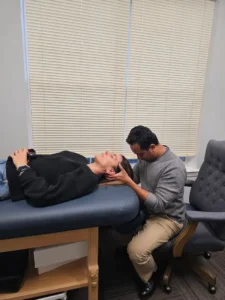
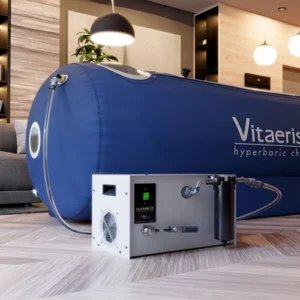
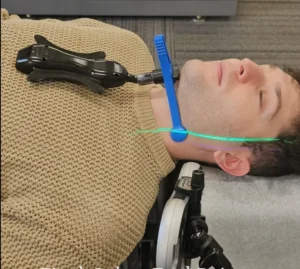
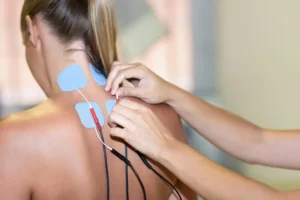
Depending on what the evaluation shows, that toolkit can include spinal and knee decompression, hands-on chiropractic care, SoftWave therapy, EMTT, cold laser, NeuFit for muscle and nerve retraining, and hyperbaric oxygen therapy to support healing. Dr. Sojitra is also the only Elite Level 3 certified provider of Cranial Facial Release in New Jersey, a credential that reflects how seriously he takes mastering the methods he offers.
Having many tools is not the point on its own. The point is being able to match the right one, or the right combination, to the specific cause in front of him.
What This Looks Like in Practice
A good example is neuropathy. Plenty of people arrive having been told their burning, numb feet are simply “nerve damage” to live with, often pinned on diabetes without much testing. The Manish Method treats that as a starting question, not a conclusion.
By actually testing nerve function and checking whether the spine is involved, Dr. Sojitra has found cases where the real driver was a compressed nerve in the lower back, not the feet at all. That distinction, covered in this look at large-fiber versus small-fiber neuropathy, completely changes the treatment. It is the method in a nutshell: find the true source, then treat that.
Who the Manish Method Helps Most
The method tends to matter most for people who have already tried the obvious things. If rest, medication, and standard treatment have not held, that is often a sign the underlying cause was never fully addressed.
It is a strong fit for chronic or recurring problems, for cases where a diagnosis has never quite explained the symptoms, and for anyone who wants to understand what is happening in their body rather than just be handed a treatment. Care here is designed to work alongside your medical providers, not to replace them.
Frequently Asked Questions
Why does the first visit not include treatment?
Because treating before the cause is understood is guesswork. The first visit is spent evaluating so that the plan on day two is built around what is actually driving your symptoms, which tends to produce better and longer-lasting results.
Is the Manish Method a specific technique?
No. It is an approach to diagnosis and treatment, focused on root cause, that draws on many techniques and tools. The specific methods used depend entirely on what the evaluation reveals.
Will this replace my medical care?
No. The method is meant to complement the care of your physician and any specialists you see, not to take their place. It focuses on the structural, nerve, and movement-related causes that fall within chiropractic care.
Find Out What Has Been Missed
If you have been through treatment after treatment without lasting relief, understanding the root cause may be the step that has been skipped. Call the practice at (609) 228-9996 or reach out through our contact page to schedule an evaluation in Princeton, NJ.