
Knee Decompression Therapy in Princeton NJ
Non-Surgical Knee Decompression in Princeton NJ
Being told a knee is bone-on-bone usually implies that a joint replacement is the only option, but this framing ignores that joint space loss is a structural problem requiring a structural solution. When joint space narrows, cartilage is starved of fluid and bone-on-bone friction increases. Knee decompression addresses this directly by gently distracting the joint surfaces to create negative pressure, increase joint spacing, draw synovial fluid back in, and reduce mechanical load on the bone.
Dr. Sojitra uses knee decompression as a core component of his knee protocol, combining it with SoftWave for tissue regeneration and EMTT for cellular healing to treat the structural deficit, tissue damage, and cellular environment simultaneously.
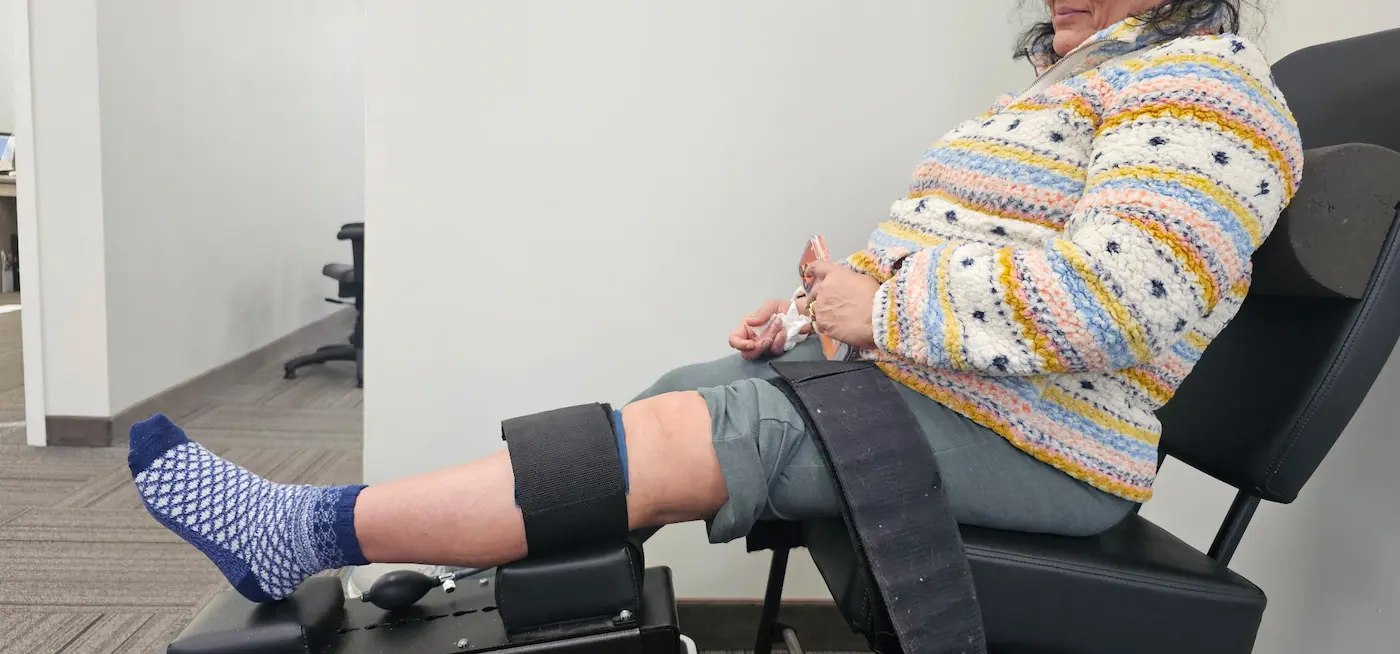
- Restores joint space mechanically - addressing the structural cause of bone-on-bone pain
- Increases synovial fluid circulation for better cartilage lubrication and nutrition
- Reduces mechanical load on damaged cartilage and bone surfaces
- Safe for virtually all knee conditions including post-surgical knees six months or more after replacement
- No surgery, no injections, no downtime between sessions
What to Expect During a Knee Decompression Session
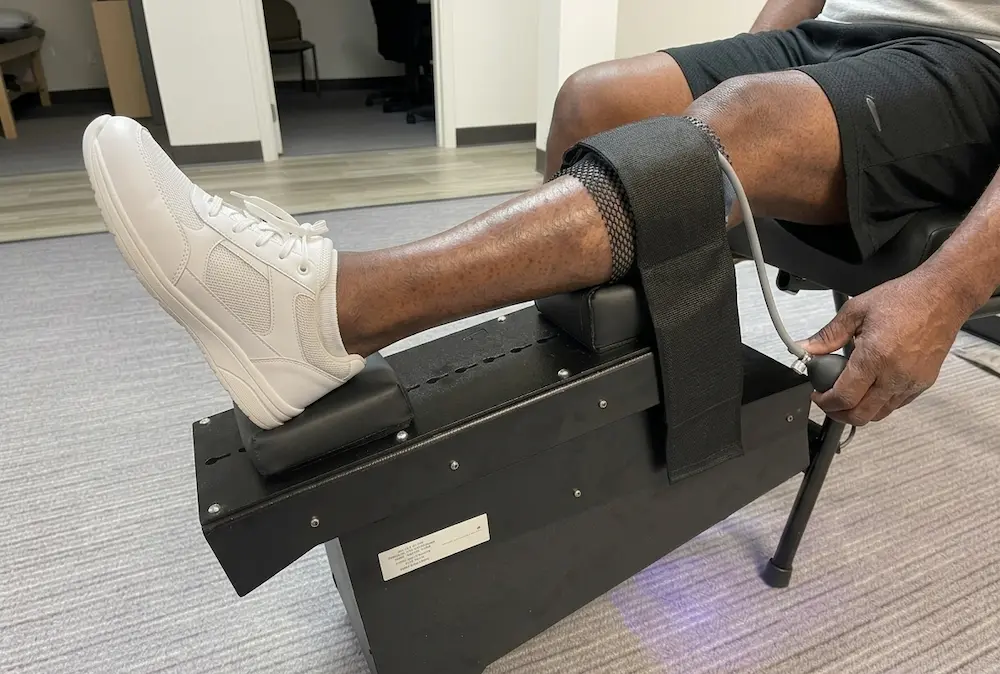
Easy setup
The session
Sessions run 7 – 10 minutes. The sensation is a mild pulling or separation feeling. No cracking, no adjustment, no manipulation.
Post-session
Protocol
How Knee Decompression Fits Into the Full Knee Protocol
SoftWave therapy + knee decompression
SoftWave drives tissue regeneration in the cartilage, meniscus, and surrounding soft tissue. Knee decompression restores the joint space that allows regenerated tissue to function and rehydrate.
EMTT + knee decompression
EMTT adds deep cellular regeneration activating stem cells and charging mitochondrial energy production in joint tissue that mechanical decompression alone cannot reach.
Zone Technique chiropractic + knee decompression
The lumbar spine and pelvis directly influence the nerve supply to the knee. Zone Technique addresses any neurological contribution alongside the local joint damage.
Cold laser + knee decompression:
For cases with significant active inflammation, laser reduces cellular inflammation and makes the joint more receptive to decompression and regenerative treatments.
Knee Conditions We Address with Decompression in Princeton NJ
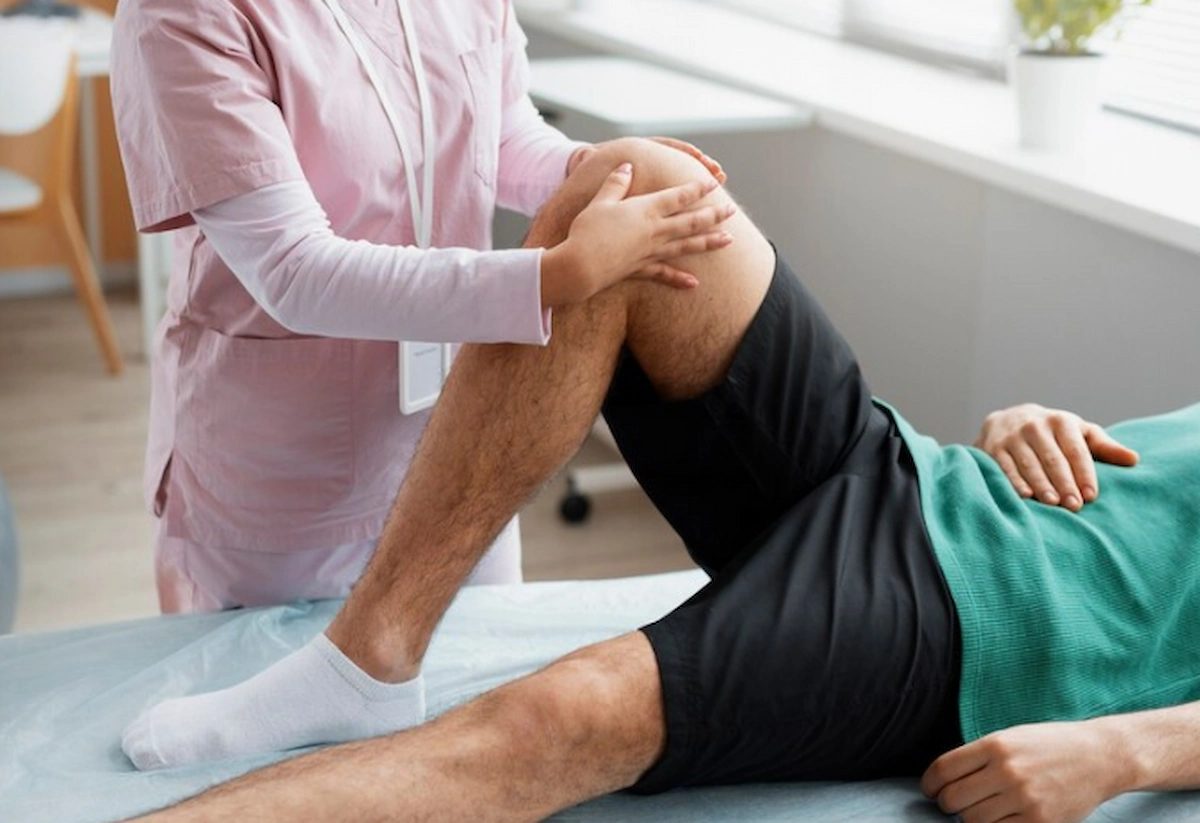
- Knee pain: Chronic knee pain of any origin benefits from joint space restoration and improved synovial fluid dynamics.
- Osteoarthritis and joint degeneration: The primary application. Restoring joint space reduces bone-on-bone friction and creates conditions for less painful function.
- Bone-on-bone knee: Patients told replacement is their only option have used this protocol to reduce pain, restore function, and avoid surgery.
- Meniscus tears: Combined with SoftWave, knee decompression supports the healing environment inside the joint.
- Post-surgical knee stiffness: Patients six months or more after replacement with continued stiffness or limited range of motion can benefit from decompression.
- Cartilage damage and chondromalacia: Reduces compressive force on damaged cartilage and improves the fluid environment for cartilage nutrition.
- General knee stiffness and reduced range of motion: Chronic stiffness responds to the mechanical distraction and joint mobilization effect of decompression.
Who Is a Good Candidate for Knee Decompression?
- Knee osteoarthritis with confirmed joint space narrowing on X-ray or MRI
- Bone-on-bone pain limiting walking, stairs, or daily activity
- Meniscus tears where regenerative options are preferred before surgery
- Post-replacement patients at least six months post-surgery with continued stiffness
- Active adults wanting to preserve knee function and delay degeneration
- Patients who have had cortisone injections or other interventions with only temporary relief
- Anyone told to "just manage" their knee pain or that replacement is their only option
Frequently Asked Questions About Knee Decompression
Is knee decompression painful?
Can I have knee decompression if I've already had a knee replacement?
How many sessions do I need?
Will knee decompression alone fix my knee?
Is this covered by insurance?
Princeton Spine Disc and Chiropractic is out-of-network and knee decompression is not covered by standard insurance plans. Patients with PPO coverage may submit claims for potential partial reimbursement. Full financial details are reviewed at the Day 2 visit.