Hyperbaric Oxygen Therapy in Princeton NJ
How Hyperbaric Oxygen Therapy Works
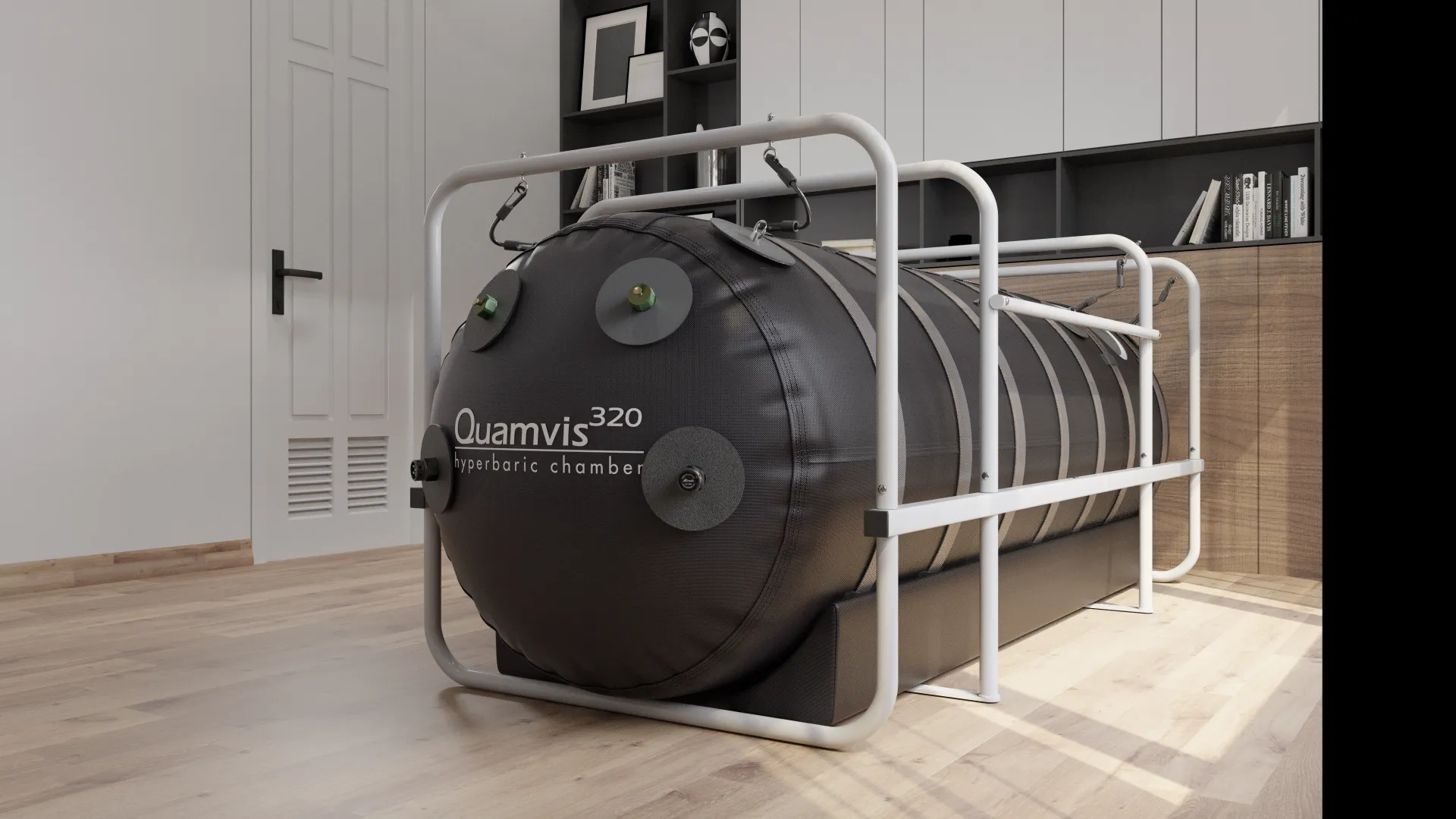
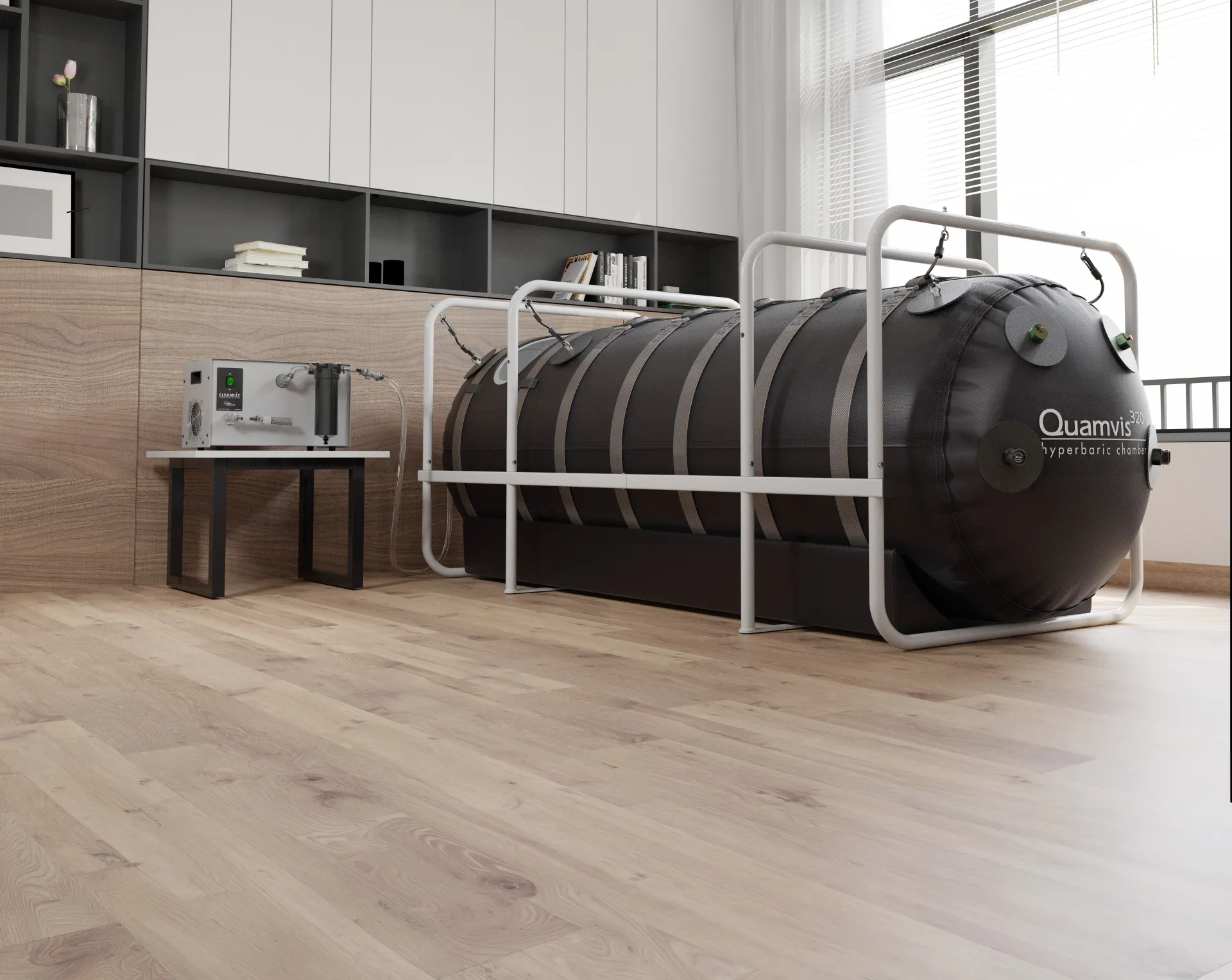
HBOT changes this. Inside the OxyHealth Quamvis 320® chamber, atmospheric pressure is gently variably increased, causing oxygen to dissolve directly into blood plasma, cerebrospinal fluid, and tissue fluid, reaching areas standard circulation cannot fully supply. The results include accelerated tissue repair, reduced systemic inflammation, and enhanced function in oxygen-deprived neurological tissue.
Dr. Sojitra integrated HBOT because it compounds the results of every regenerative tool in the protocol, particularly SoftWave and EMTT, which drive cellular regeneration in specific tissue areas while HBOT optimizes the systemic oxygen environment those processes depend on.
- Oxygen dissolves into plasma at elevated pressure reaching tissues red blood cell transport cannot fully supply
- Accelerates tissue repair in areas with poor circulation or chronic inflammation
- Enhances brain and nervous system function through improved oxygen delivery
- Reduces systemic inflammation and supports the healing environment for every other therapy
- Non-invasive, comfortable sessions with no surgery, injections, or medications required
What to Expect During an HBOT Session
Entering the chamber
Pressurization
The session
Depressurization
Protocol
Session count and frequency depend on the condition. Dr. Sojitra recommends a specific HBOT protocol based on the Day 1 evaluation and other services in the care plan.
Conditions Hyperbaric Oxygen Therapy Helps With in Princeton NJ
HBOT is indicated wherever deep tissue regeneration is needed for conditions involving joint degeneration, disc damage, bone healing, or chronic inflammatory states that have not responded adequately to surface level treatment.
- Post-concussion syndrome and traumatic brain injury: Improved oxygen delivery to neurological tissue is one of the most well-supported applications of HBOT. Persistent brain fog, cognitive changes, headaches, and sleep disruption often show meaningful improvement.
- Neurological conditions: MS, Parkinson's, post-stroke recovery, and other neurological conditions benefit from improved oxygenation to areas of the brain and spinal cord with compromised circulation.
- Chronic pain and inflammation: HBOT's oxygen-rich environment reduces the inflammatory markers driving chronic pain that other treatments have not fully resolved.
- Disc pain and spinal conditions: Discs have limited blood supply and depend on fluid exchange for nutrition. HBOT improves the oxygen environment around damaged discs, supporting decompression and the cellular regeneration driven by EMTT and SoftWave.
- Post-surgical recovery: Accelerates healing in surgical sites, reduces post-operative inflammation, and supports tissue repair across the full recovery period.
- Wound healing and poor circulation: Delivers oxygen to tissue that standard circulation cannot adequately supply for patients with diabetes-related complications or vascular insufficiency.
- Long COVID: Clinical experience and emerging evidence support HBOT for persistent neurological and systemic symptoms following COVID-19 infection.
- Chronic fatigue syndrome and fibromyalgia: Conditions with a systemic oxygen deficit component respond to HBOT's systemic oxygen optimization.
- Athletic recovery: Accelerates recovery from intense training, reduces exercise-induced inflammation, and shortens time needed between demanding sessions.
HBOT as the Systemic Foundation
HBOT and SoftWave and EMTT
SoftWave and EMTT drive cellular regeneration in specific tissue areas. HBOT ensures those tissues have the oxygen-rich environment the cellular processes those tools activate actually require.
HBOT and spinal decompression
Decompression creates the structural environment for disc healing. HBOT improves oxygen delivery to disc tissue which has among the most limited blood supply of any tissue in the body.
HBOT and CFR
For neurological and post-concussion conditions, CFR restores cranial mechanics and cerebrospinal fluid flow while HBOT saturates neurological tissue with oxygen two of the most powerful tools in the practice working from different directions.
HBOT and Zone Technique chiropractic
Zone Technique resets neurological signals from the brain downward. HBOT provides the oxygen environment that brain and nervous system function depends on.