Comprehensive Chiropractic Services in Princeton NJ
Princeton Spine Disc and Chiropractic offers one of the most comprehensive treatment toolkits available at any chiropractic practice in New Jersey, each service selected because it supports real healing, not just temporary relief.
The Most Comprehensive Chiropractic Services in Princeton NJ
While most chiropractic practices rely on standard adjustments, Princeton Spine Disc and Chiropractic utilizes an expansive, multi-tiered toolkit developed by Dr. Sojitra over 17-plus years of advanced training. The clinical differentiator is how these therapies are applied: Zone Technique analysis guides every care plan by identifying precisely which physiological systems are under neurological stress. This diagnostic map ensures that a disc herniation with nerve root involvement receives a fundamentally different, targeted protocol than chronic knee conditions, TMJ, or neuropathy, delivering precise interventions that facilitate true tissue repair.
- Zone Technique as the foundation: Every care plan starts with a neurological analysis of the body's six systems - not with where the pain is located.
- 17-plus years treating disc conditions: Dr. Sojitra has been using the DRX9000 since the early years of his career and recovered from an 11.5mm herniation himself without surgery.
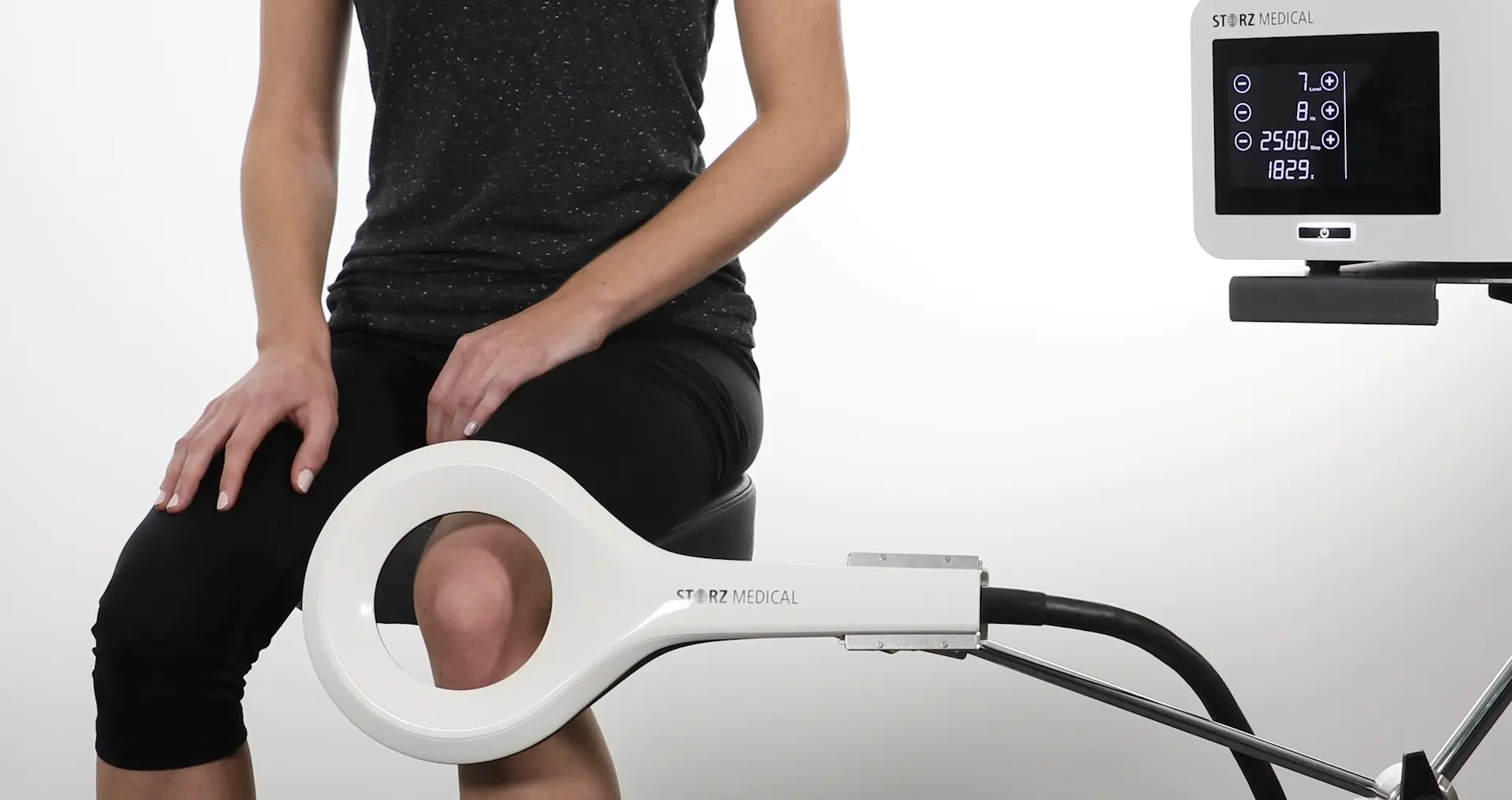
- First-wave regenerative technology: One of fewer than 100 SoftWave providers nationwide at launch. One of the first 15 EMTT providers in the country. New Jersey's only Cranial Facial Release provider.
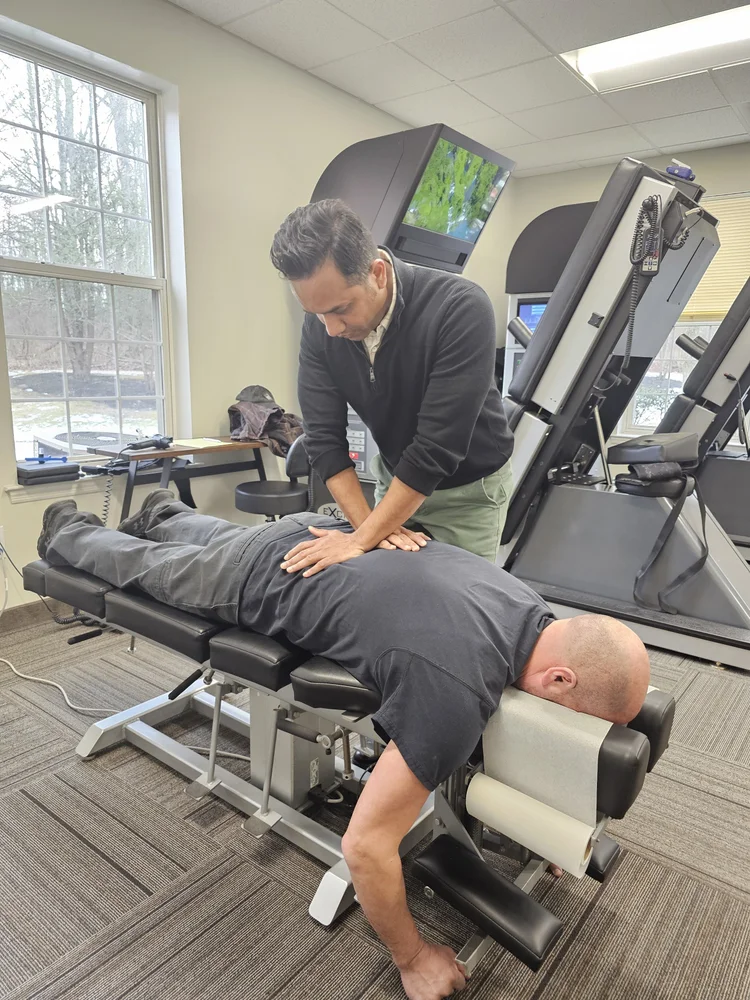
- Full-body adjusting:Every joint in the body - including extremities, ribs, cranial structures, and intraoral joints most chiropractors never touch.
- Out-of-network by design:Care plans are built around clinical findings, not insurance approvals.
Our Services in Princeton NJ
Chiropractic Care and Zone Technique
Spinal Decompression - DRX9000 and Cervical DTS
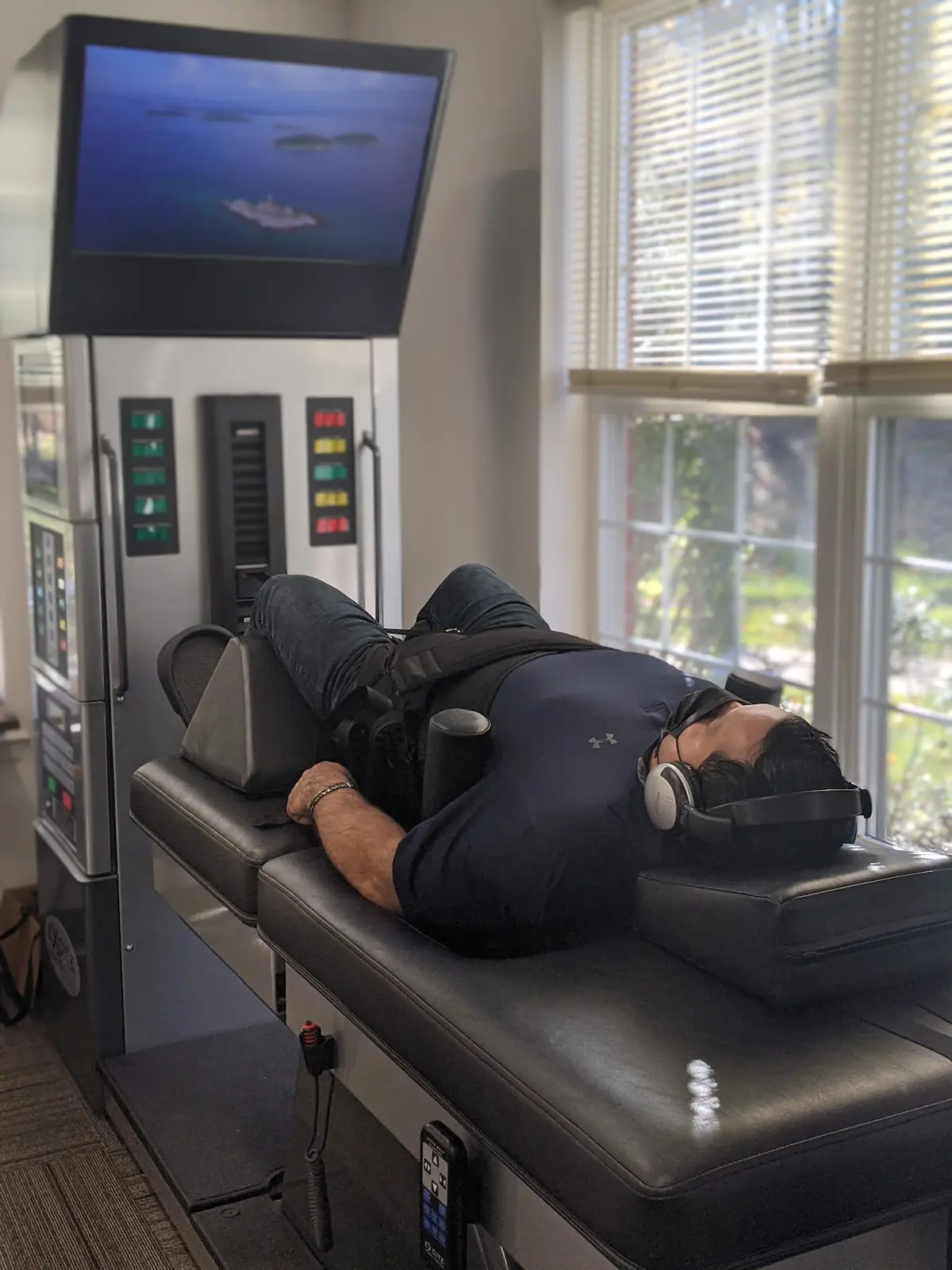
The DRX9000 and Chattanooga Triton DTS are computer-controlled spinal decompression systems that reduce pressure on damaged discs and support healing. These relaxing, non-surgical treatments help improve disc health, reduce pain, and promote recovery in both the spine and neck.
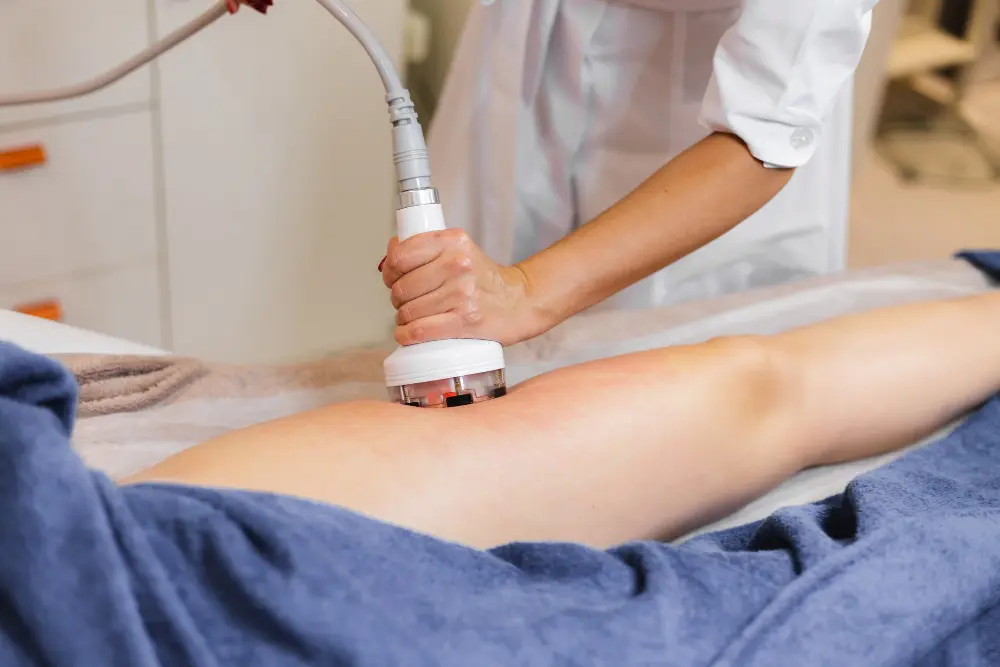
SoftWave Therapy
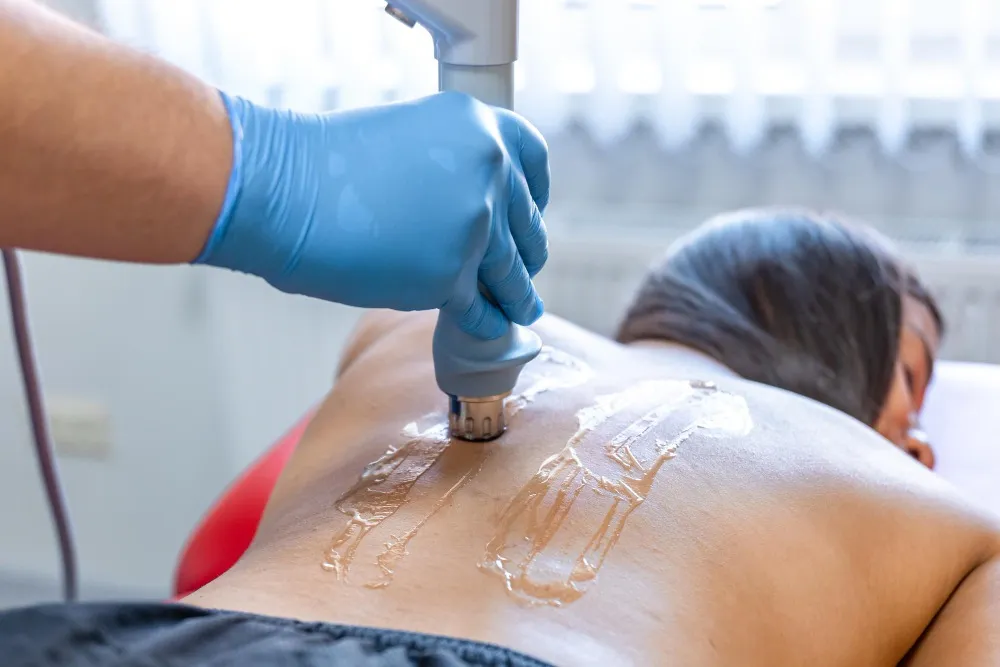
Shockwave Therapy (E-PAT)
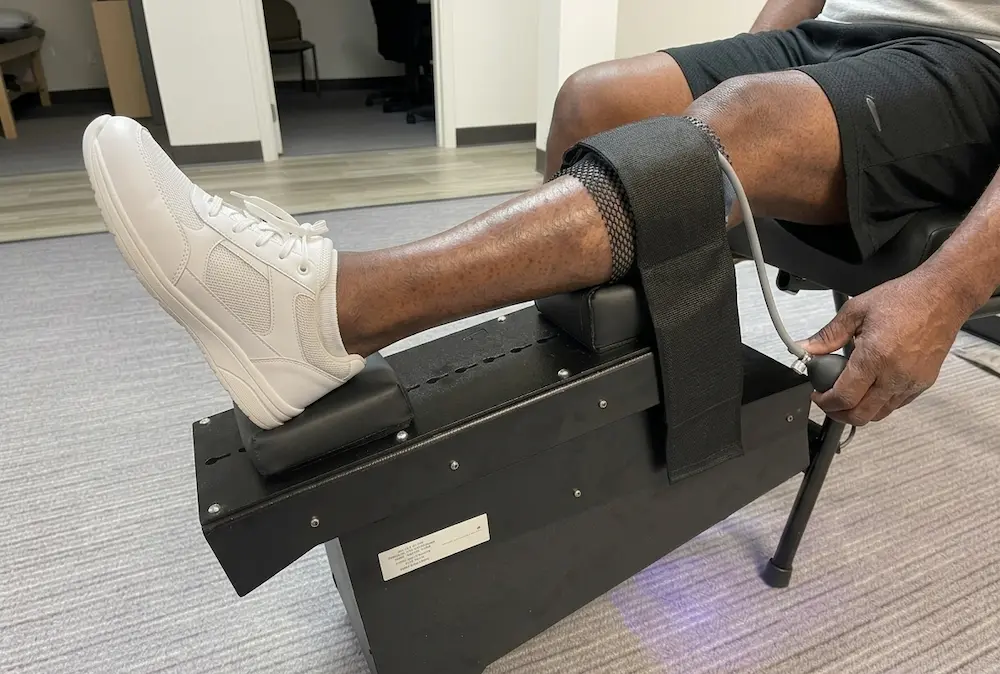
Knee Decompression
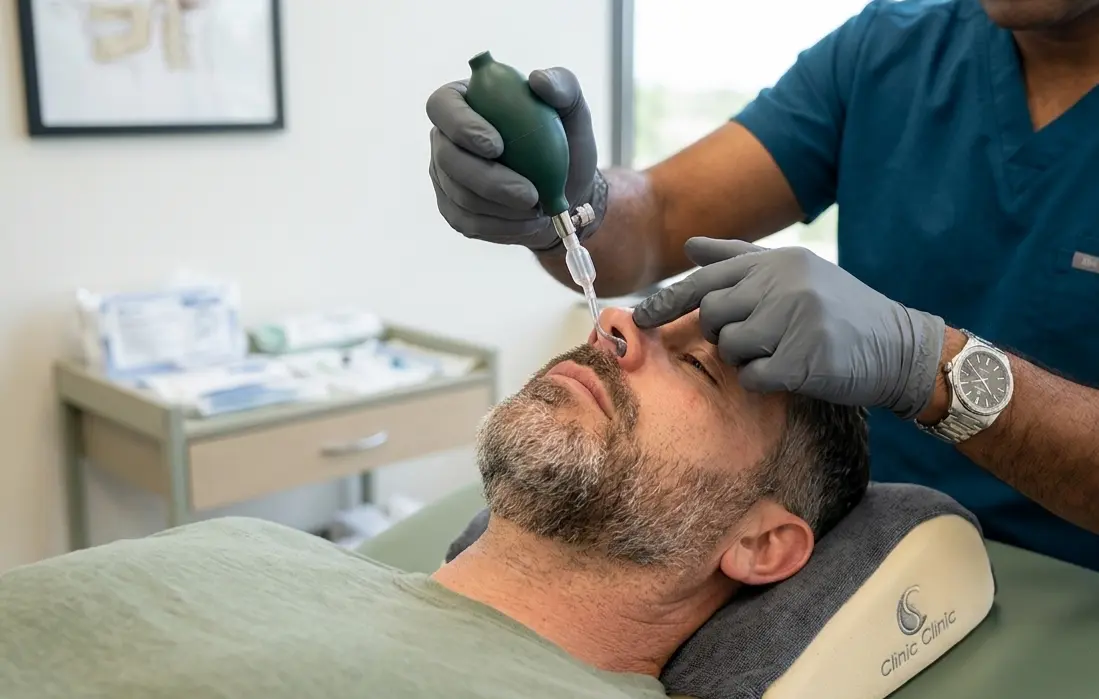
Cranial Facial Release
Cranial Facial Release (CFR) uses specialized balloons inserted through the nasal passages to mobilize cranial bones and improve nervous system function. Combined with intraoral cranial work it addresses areas traditional spinal adjustments cannot reach. Patients often travel long distances to receive this specialized treatment from Dr. Sojitra.
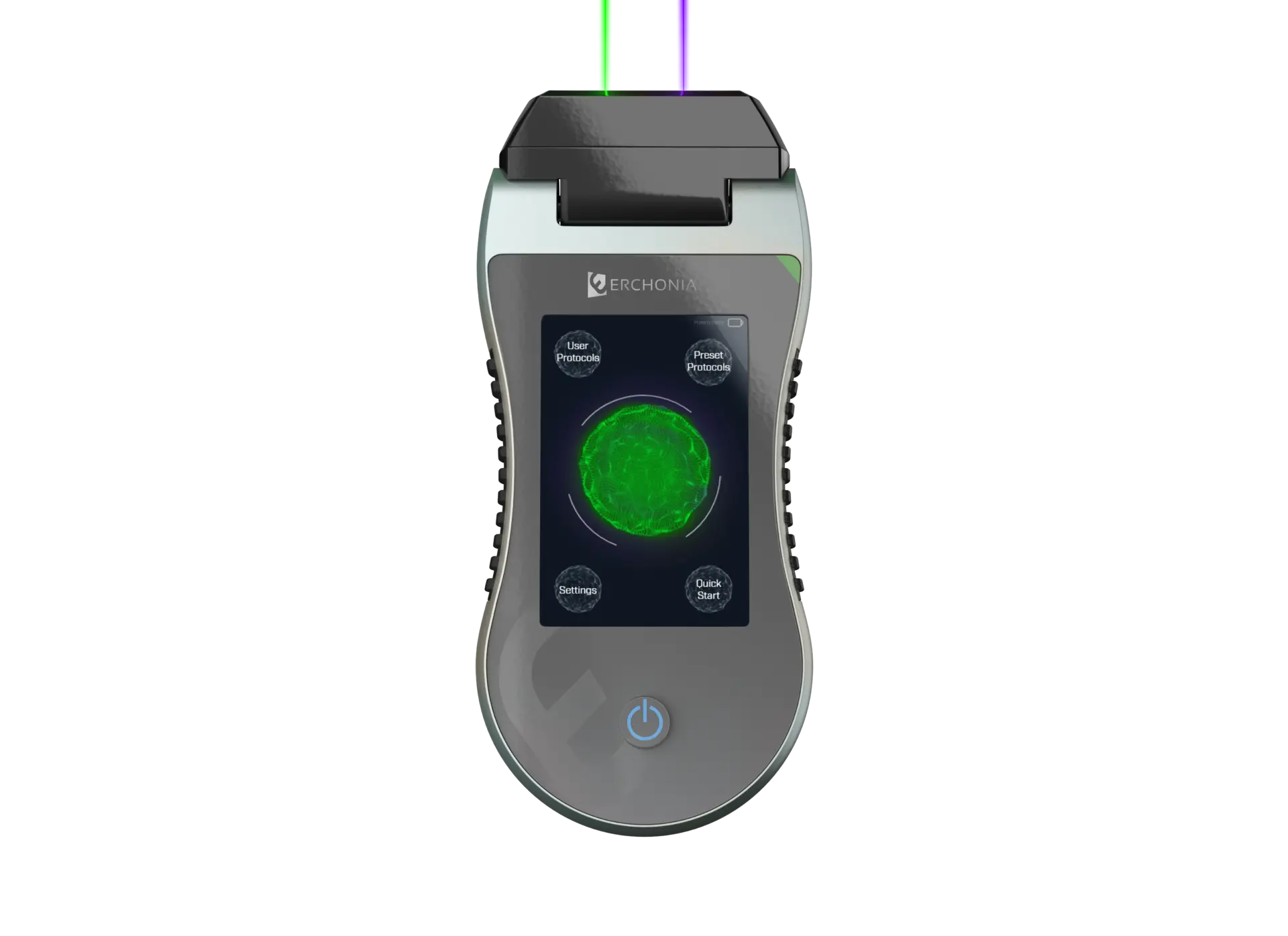
Cold Laser Therapy
The Erchonia GVL targets all four mitochondrial complexes involved in cellular energy production not just the single complex standard cold laser reaches. Combined with the Avant system, the result is a more complete photobiomodulation response: deeper tissue healing, better inflammation control, and longer-lasting results. Used for neurological conditions, joint inflammation, disc cases, concussion recovery, TMJ, and post-surgical healing – almost always as part of a combined protocol.
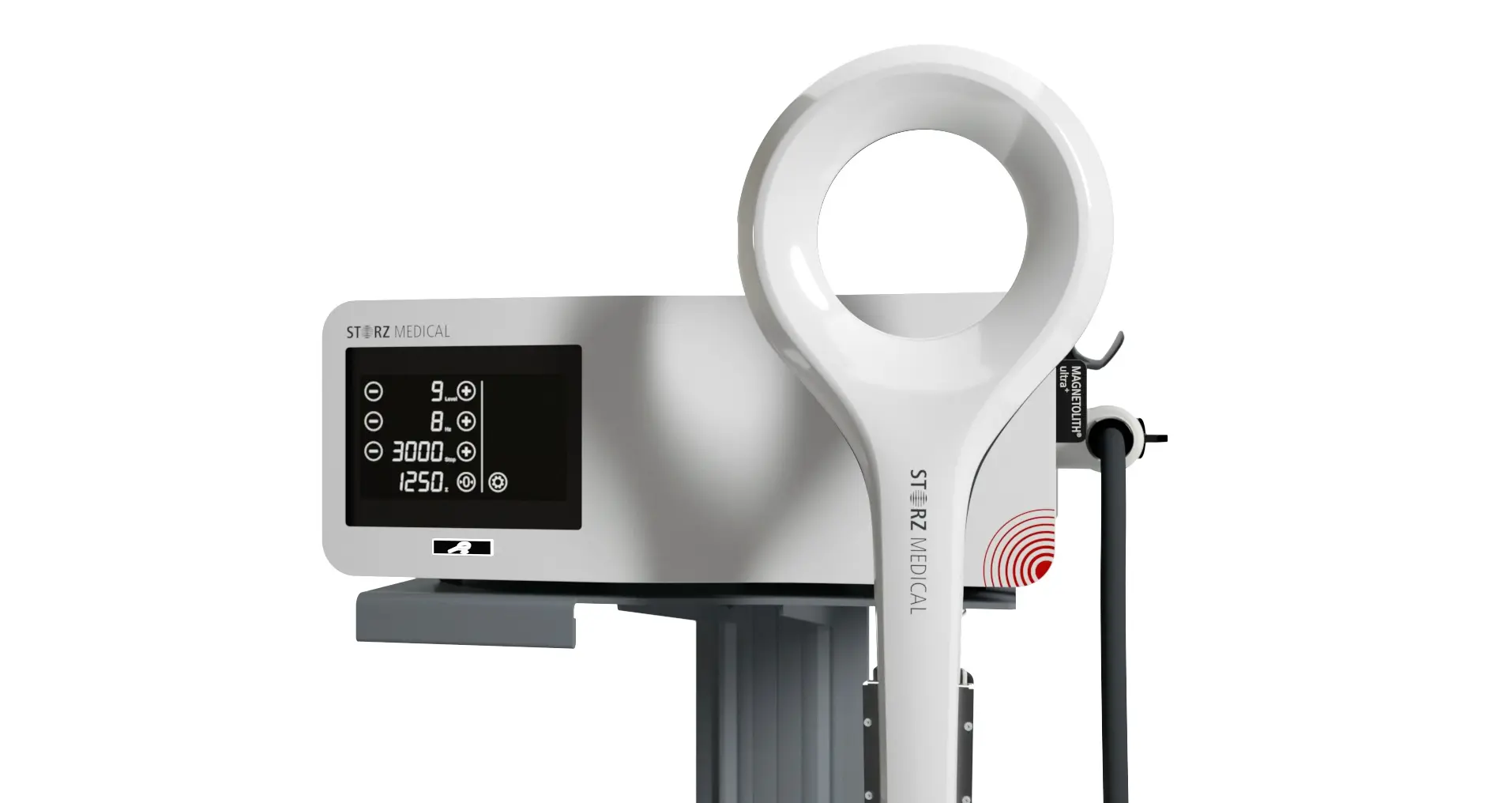
EMTT - Magnetolith
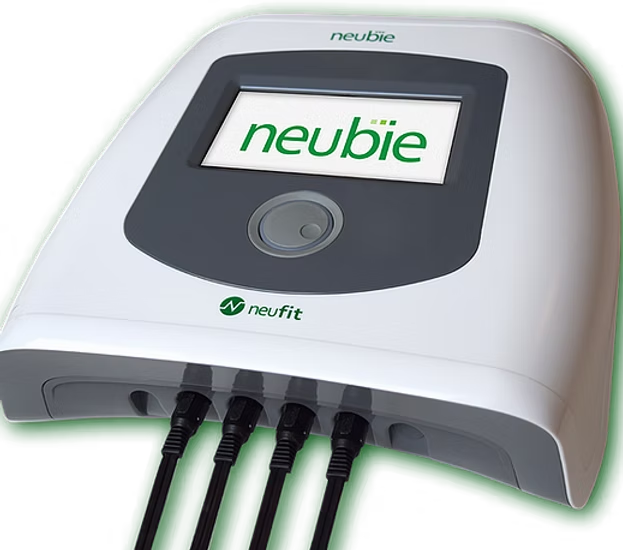
NeuFit Therapy
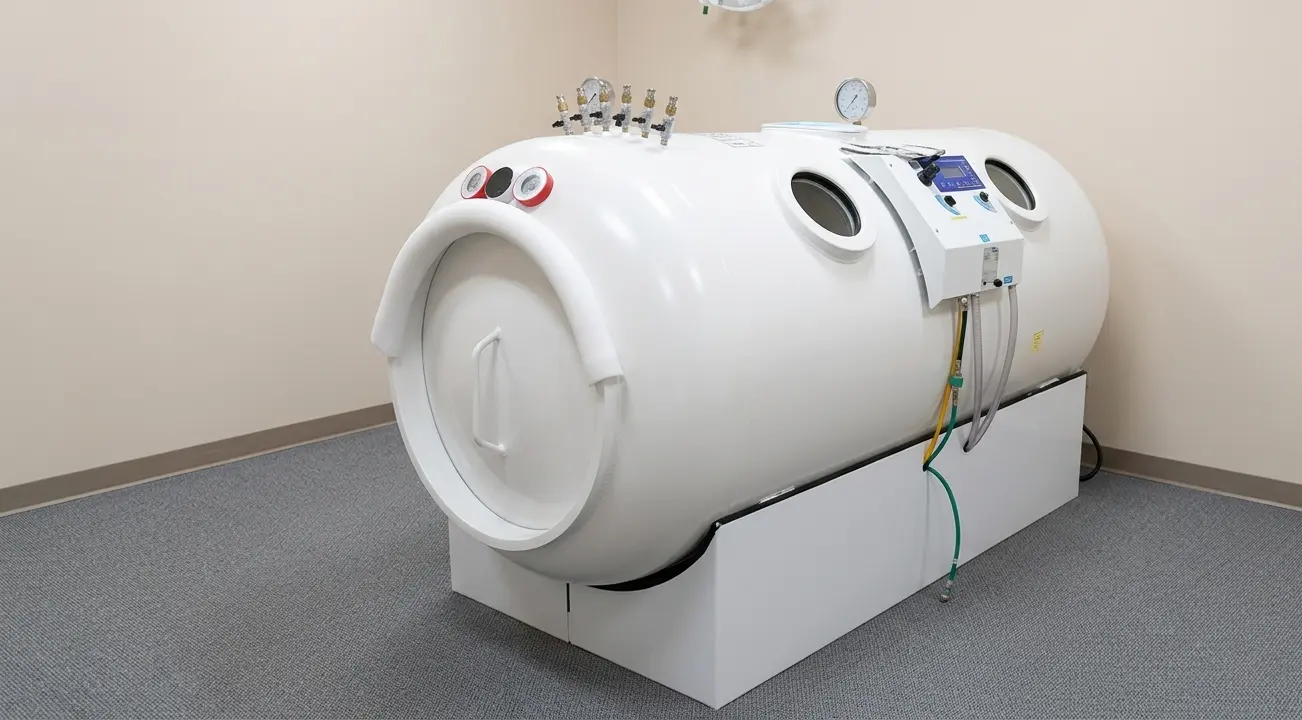
Hyperbaric Oxygen Therapy
Hyperbaric Oxygen Therapy (HBOT) delivers oxygen under increased pressure, helping it reach tissues with limited circulation. This supports tissue repair, reduces inflammation, and enhances the effectiveness of other treatments. Dr. Sojitra commonly uses HBOT for neurological conditions, post-concussion recovery, and complex cases requiring comprehensive healing support.
How Our Services Work Together
Disc herniations and sciatica:
Zone Technique adjustments restore neurological signaling and reduce mechanical stress. DRX9000 decompression creates negative pressure at the specific disc to encourage retraction and healing. Cold laser reduces inflammation around the compressed nerve root. EMTT drives cellular regeneration from within the disc tissue itself.
Chronic knee pain and bone-on-bone
SoftWave stimulates blood flow, breaks down calcifications, and activates stem cell recruitment. Knee decompression restores joint space. EMTT compounds the cellular regeneration effect. Zone Technique adjustments address any lumbar or pelvic contribution to the knee's nerve supply.
TMJ dysfunction
Zone Technique resets the neurological signals driving the dysfunction. Specific TMJ adjustments restore normal joint mechanics. Intraoral cranial work addresses surrounding cranial sutures. SOT pelvic blocks reduce meningeal tension contributing to jaw restriction. Cold laser manages inflammation. The Stimpod targets occipital nerve involvement when headaches are part of the picture.
Neuropathy
Sudoscan testing identifies whether large or small fibers are involved. Large-fiber cases get DRX9000 decompression. Small-fiber cases get SoftWave, cold laser, and NeuFit or Stimpod nerve stimulation. The protocol is built around what the diagnostic actually shows.
Post-surgical recovery and rehabilitation
NeuFit rebuilds neuromuscular pathways disrupted by surgery. EMTT drives tissue regeneration. SoftWave addresses scar tissue and calcification. HBOT accelerates the overall recovery environment systemically.
Conditions We Address with These Services
The services above are applied to a wide range of conditions. The most common presentations at this practice include:
Frequently Asked Questions About Our Services
How does Dr. Sojitra decide which services to recommend?
How is SoftWave different from the shockwave therapy advertised elsewhere?
Are these services safe to combine in the same visit?
How long does a typical course of care take?
Is any of this covered by insurance?
Princeton Spine Disc and Chiropractic is out-of-network. Most services including SoftWave, EMTT, cold laser, NeuFit, CFR, knee decompression, and HBOT are not covered by standard insurance plans. Patients with PPO plans may be able to submit for partial reimbursement on qualifying services. Full details are reviewed on Day 2.
Have a question we did not answer? Reach out and we will get back to you
Ready to Find the Right Care in Princeton?
The best starting point is a Day 1 evaluation. Everything else follows from what Dr. Sojitra finds.