Conditions We Treat at Princeton Spine Disc and Chiropractic
How Princeton Spine Disc and Chiropractic Addresses the Root Cause
Pain signals something is wrong but treating the location without understanding the cause is why so many patients stay stuck in cycles of temporary relief. Dr. Sojitra’s practice is built on a different premise: the body heals when the brain and nervous system function properly, and most chronic pain persists because that neurological foundation is never properly addressed.
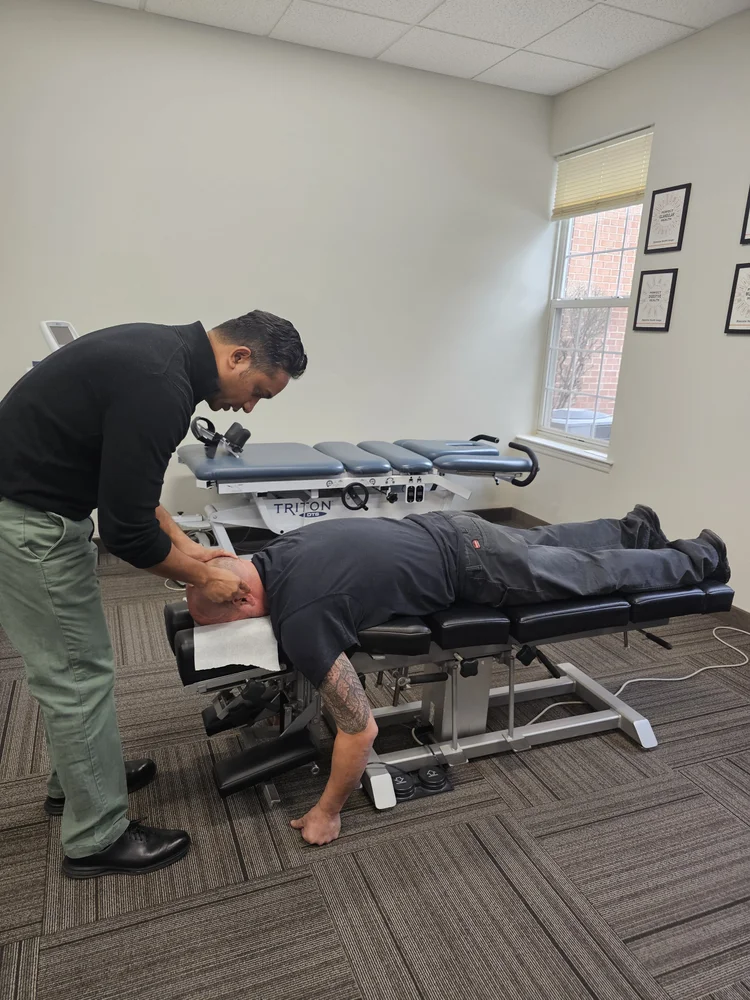
- Zone Technique analysis identifies neurological stress patterns before any treatment is recommended
- Digital motion analysis X-rays reveal segmental dysfunction that static imaging misses
- Medical-grade thermography identifies physiological patterns and inflammation invisible on structural imaging
- Nerve Express ANS assessment measures how much neurological stress the body is carrying and where it is concentrated
- Care plans combine multiple tools each addressing a different layer of the condition simultaneously
Conditions We Treat at Princeton Spine Disc and Chiropractic
Disc Pain - Herniated and Bulging Discs
Disc Pain - Herniated and Bulging Discs
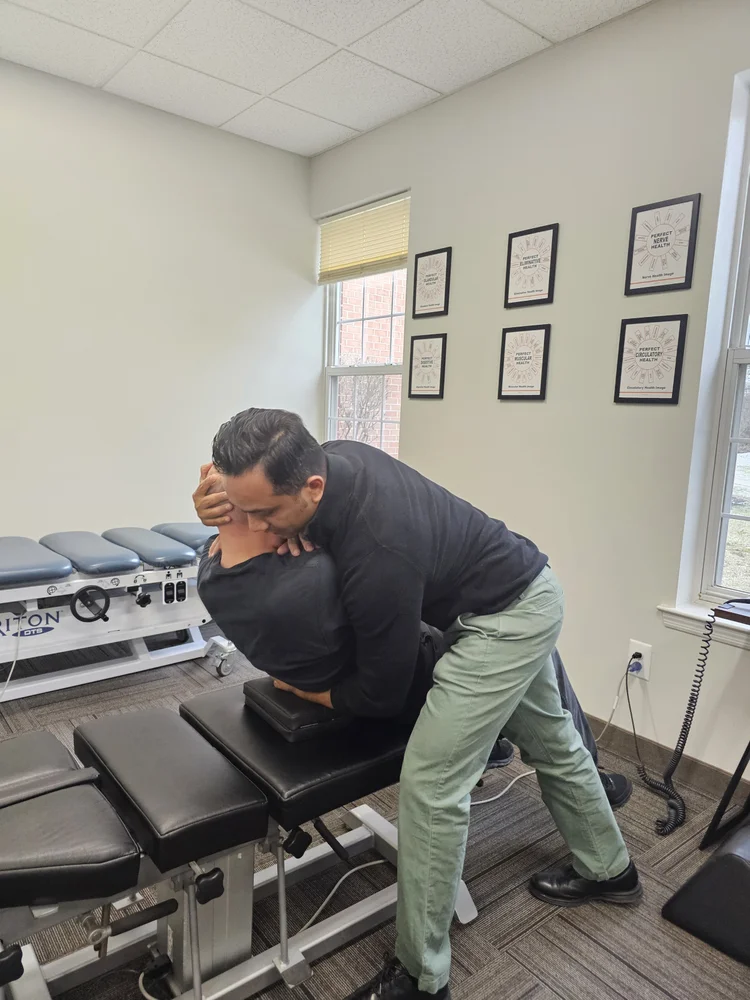
Disc pain is our specialty. Dr. Sojitra overcame an 11.5mm disc herniation without surgery using spinal decompression and chiropractic care. Our advanced DRX9000, Zone Technique, cold laser, and EMTT treatments help relieve herniated discs, nerve pressure, and chronic back pain naturally.
Disc Pain Treatment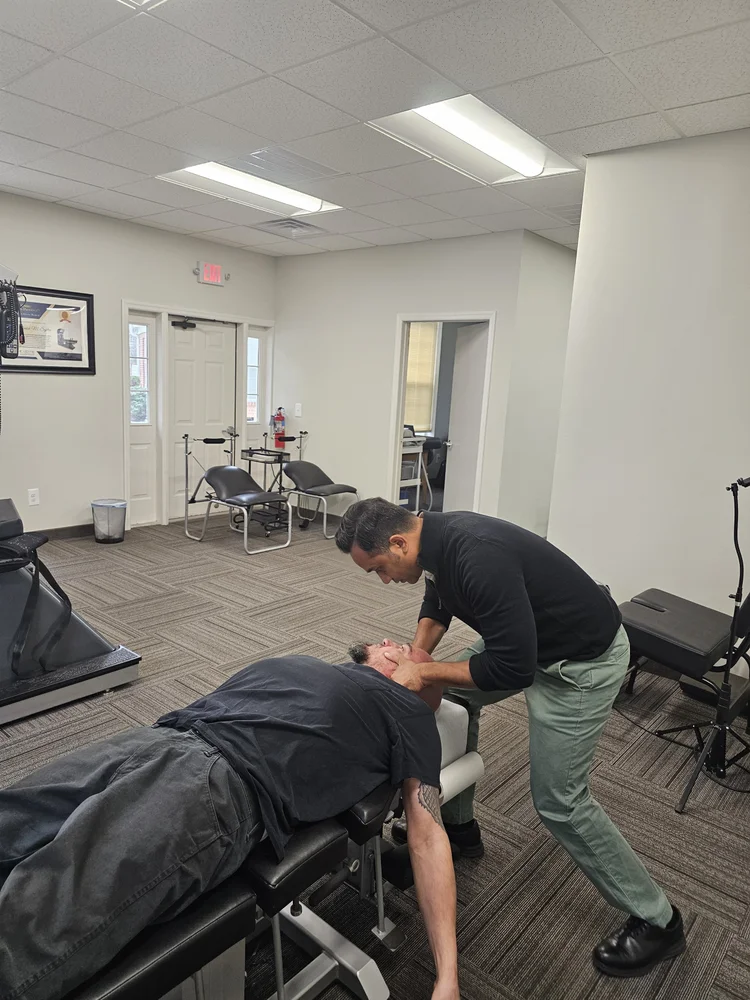
Why Princeton Spine Disc and Chiropractic Gets Results With These Conditions
- Zone Technique analysis: Every care plan starts with a neurological assessment of the body's six systems - not with the location of the pain. This is what separates the care at this practice from standard chiropractic.
- Diagnostic depth: Motion analysis X-rays, medical-grade thermography, Nerve Express ANS assessment, and Sudoscan nerve fiber testing give Dr. Sojitra a picture of what the body is doing that most practitioners never see.
- Regenerative technology: SoftWave, EMTT, cold laser, NeuFit, and HBOT address the cellular and biological layers of healing that structural treatment alone cannot reach.
- Protocol design: Services are combined based on what each case actually requires - not a standard package applied to every patient. The specific combination changes as the patient progresses.
- 17-plus years of experience: Dr. Sojitra has been treating disc conditions since 2008, SoftWave cases since he was among the first providers in New Jersey, and EMTT cases since he was in the first cohort of 15 providers in the country.
When Should You Come In for an Evaluation?
Some presentations are clearly urgent. Others are easy to put off until the right moment – which keeps getting postponed. Here are the signals that now is the right time:
- Pain that keeps coming back after it improves - the clearest indicator that the underlying cause has not been addressed
- Numbness, tingling, or weakness in an arm or leg - nerve involvement that should be evaluated sooner rather than later
- Pain that has lasted more than four to six weeks without meaningful improvement
- Daily activity limitations - anything you are avoiding, modifying, or unable to do because of pain
- A diagnosis of disc herniation, degenerative disc disease, arthritis, or neuropathy with no clear plan beyond management
- A recommendation for surgery or injections that you want to explore alternatives to first
- Post-surgical recovery that has plateaued and not fully returned function