Neuropathy is not one single condition, and the difference between large-fiber and small-fiber neuropathy often decides which treatment will actually work. Large-fiber neuropathy usually involves the bigger nerves that control strength, balance, and position sense, and it frequently traces back to a compressed nerve in the spine. Small-fiber neuropathy affects the tiny nerves that carry pain and temperature signals, and it is more often linked to causes like diabetes. At Princeton Spine Disc and Chiropractic in Princeton, NJ, Dr. Sojitra tests which type you have before building a plan, because treating the wrong one wastes time.
Why Neuropathy Often Gets Treated the Wrong Way
Neuropathy gets used as a catch-all label, and that is part of the problem. Two people can both be told they have “neuropathy” and have completely different things happening inside their nerves.
When the type is not identified, treatment becomes a guess. Someone with a spinal nerve compression might be sent down a diabetes-focused path that was never going to help, while their real cause goes unaddressed. If you want a broader starting point, this overview of neuropathy treatment in Princeton, NJ covers the basics, but sorting out the type first is what makes the difference.
That mismatch is more common than you might expect. The feet and hands are where the symptoms land, so that is where attention tends to go, even when the actual trouble sits in the lower back. Chasing the symptom instead of the source is how people end up years into treatment with little to show for it.
What Is Large-Fiber Neuropathy?
Large-fiber neuropathy affects the bigger, insulated nerves. These are the fibers responsible for muscle strength, balance, coordination, and your sense of where your body is in space.
When they are not working right, symptoms tend to include numbness, weakness, unsteadiness, and a feeling that your feet are disconnected from the ground. In many cases the root cause is not in the feet at all. It is a compressed nerve higher up in the lumbar spine, which is where this overlaps with conditions like disc pain and sciatica.
What Is Small-Fiber Neuropathy?
Small-fiber neuropathy involves the tiny nerve endings that carry pain and temperature information. These fibers are more delicate, and they are often the first to be affected by metabolic causes.
The classic symptoms are burning, tingling, stabbing pain, and sensitivity in the hands and feet. Diabetes is one of the most common drivers, though chemotherapy and idiopathic causes, meaning no clear reason is found, also play a role.
Why the Spine Is So Often Overlooked
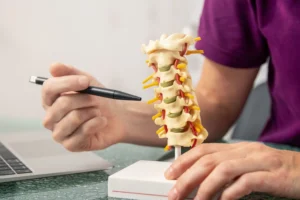
When numbness and tingling show up in the feet, the spine is not usually the first suspect. Yet the nerves that serve the legs and feet begin in the lower back, so a disc or joint pressing on a nerve root there can create symptoms far from the actual problem.
This is where a chiropractic evaluation can add something a foot-focused workup might miss. By checking whether the source is a compressed nerve rather than the nerve endings themselves, it opens up options like decompression that a purely metabolic approach would never consider.
Large-Fiber vs. Small-Fiber Neuropathy: The Key Differences
- Nerves involved: large, insulated fibers versus tiny, unmyelinated endings.
- Main symptoms: numbness, weakness, and balance trouble versus burning, tingling, and stabbing pain.
- Common causes: spinal nerve compression versus metabolic causes like diabetes.
- Where the answer often lies: the spine for large-fiber, the underlying condition plus nerve support for small-fiber.
Why Testing Comes Before Treatment
Here’s the thing: you cannot reliably tell these two apart from symptoms alone, and they can even overlap. That is why the evaluation uses objective nerve testing rather than assumptions.
Sudoscan testing is one of the tools used to help identify small-fiber involvement, and it is a step most neuropathy clinics skip. Dr. Sojitra saw why this matters in a memorable case. A patient who had been diagnosed with “diabetic neuropathy” actually had a large-fiber problem coming from the spine. Once that was identified, spinal decompression addressed the real source instead of chasing a diabetes-based explanation that did not fit.
What the First Visit Actually Looks At
The practice runs new patients through a two-day process, and that structure exists for a reason. Day one is entirely evaluation, with no treatment. Day two is when Dr. Sojitra reviews the findings and, only then, lays out a plan.
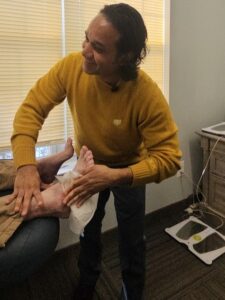
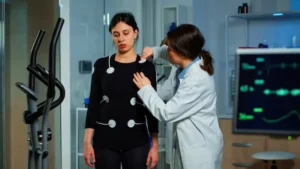
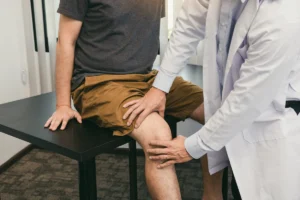
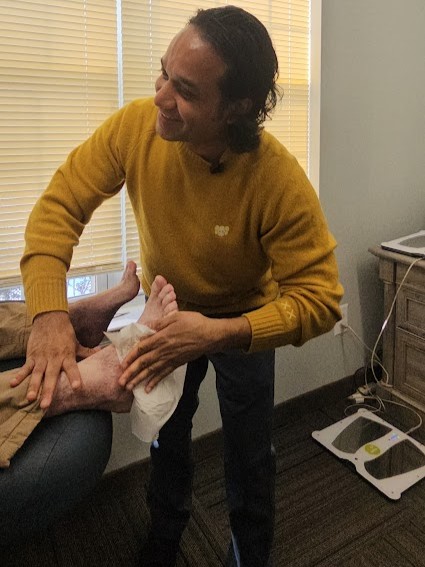
For neuropathy, that evaluation goes beyond a quick reflex check. It can include Sudoscan nerve testing to gauge small-fiber function, an orthopedic and neurological exam, and imaging when the picture points toward the spine. The goal is to separate a large-fiber problem from a small-fiber one with real data, not a hunch. You can see how that works on the Our Process page.
How Each Type Is Treated in Princeton, NJ
Because the causes differ, the treatment does too. This is exactly why the type has to come first.
Large-Fiber Neuropathy
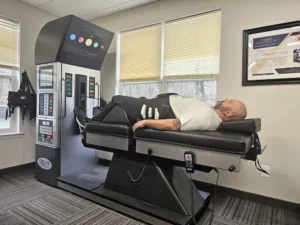
When the source is a compressed spinal nerve, the priority is taking pressure off that nerve. Spinal decompression is a primary tool here, gently easing the compression so the nerve has a chance to recover. You can read more about how it works in this guide on spinal decompression in Princeton, NJ.
Small-Fiber Neuropathy
For small-fiber cases, the focus shifts to supporting the nerves and improving the tissue environment around them. SoftWave therapy and cold laser are often used to encourage circulation and tissue repair. If diabetes is the driver, this care is meant to work alongside your medical management of blood sugar, not replace it. Both types fall under how the practice approaches neuropathy as a whole.
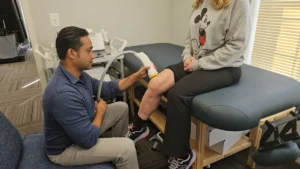
In both cases, treatment is rarely a single tool. Dr. Sojitra often layers therapies, adding cold laser to support the nerve tissue and, in some cases, the NMS-460 Stimpod for targeted nerve stimulation. The mix is chosen from what the testing shows, which again comes back to identifying the type first.
Frequently Asked Questions
Can neuropathy be reversed?
It depends heavily on the cause and how long it has been present. Nerves can be slow to recover, but addressing the actual source, whether that is spinal compression or an underlying condition, gives the best chance of improvement.
Why does the type matter so much?
Because the treatments are different. A plan aimed at small-fiber neuropathy will not do much for a large-fiber problem coming from the spine, and the reverse is true as well. Identifying the type is what keeps the plan from missing.
Is this a replacement for my diabetes care?
No. If diabetes is contributing to your neuropathy, managing it with your medical team stays essential. Nerve-focused care is a complement to that, not a substitute.
How long does neuropathy treatment usually take?
Nerve tissue tends to respond slowly, so most plans run over a series of visits rather than a few. The exact length depends on the cause, how long symptoms have been present, and how the nerves respond along the way. Your evaluation will map out a realistic timeframe.
Get an Answer, Not Just a Label
If you have been handed the word “neuropathy” without a clear explanation, it may be worth finding out which type you actually have. Call the practice at (609) 228-9996 or reach out through our contact page to schedule an evaluation in Princeton, NJ.