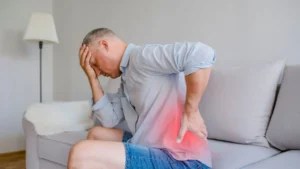
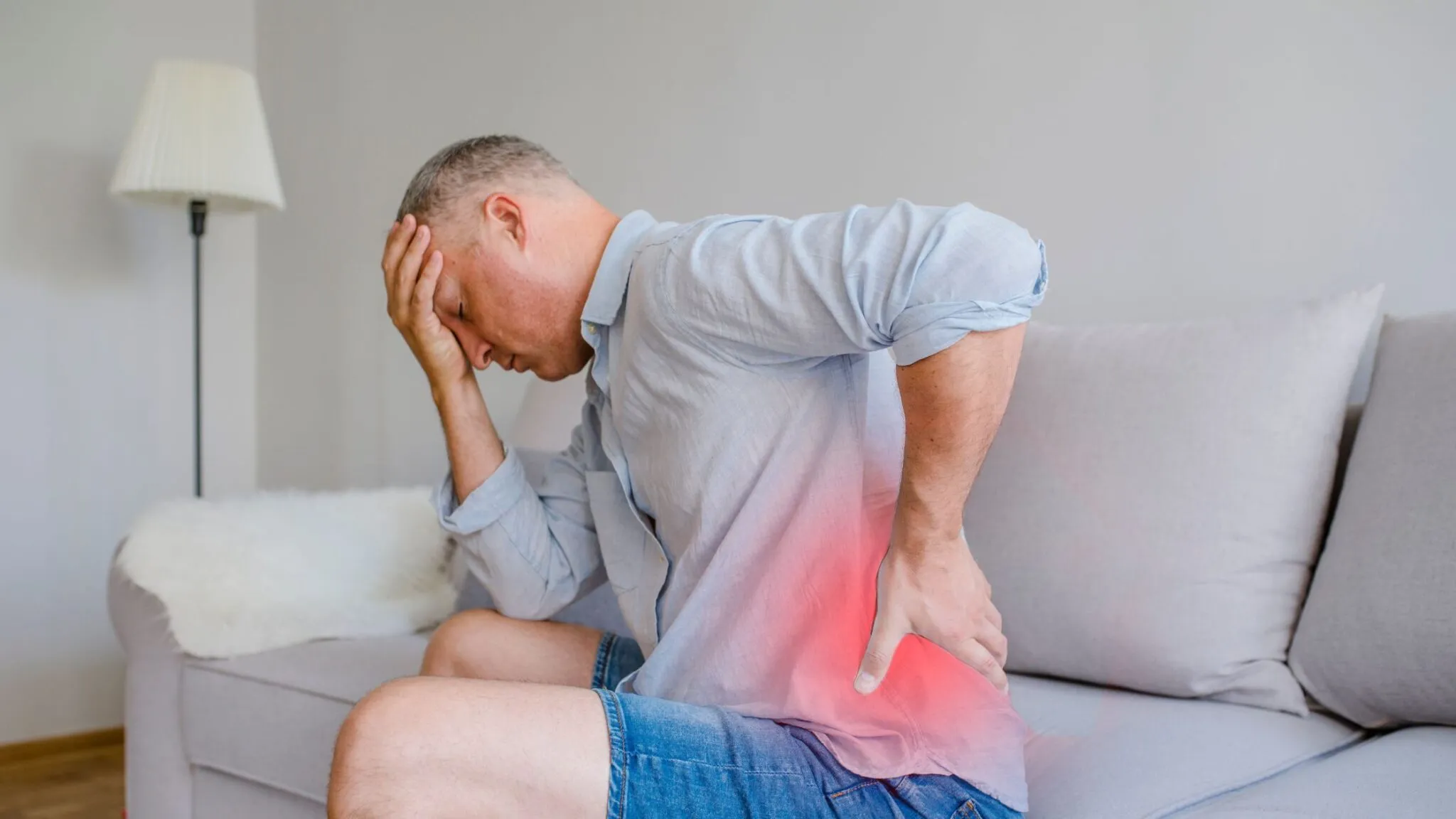
If chronic lower back pain has stuck around despite physical therapy, medication, or a stack of failed appointments, the problem is usually not that you need to try harder. It is that the actual driver of the pain has never been identified. Back pain treatment in Skillman, NJ at Princeton Spine Disc and Chiropractic starts by finding that driver first, then building a non-surgical plan around it. For many people, that means real options before surgery or long-term painkillers ever enter the conversation.
Why “just manage it” stops working
A lot of long-term back pain gets treated as a muscle problem. Stretch more, strengthen the core, take something for the flare-ups, repeat. That advice is not wrong, but it stalls when the source of the pain sits deeper than muscle.
Chronic back pain often traces back to something structural, like a disc problem, joint restriction in the lumbar spine, or an old injury the body has been compensating for. When those go unaddressed, symptom-focused care keeps buying you a few good days at a time without ever changing the pattern.
So the question that matters is not “what makes it hurt less today,” but “what is making it hurt in the first place.” That reframe sits at the center of how this practice works.
Finding the real driver before treating anything
Dr. Sojitra does not recommend a care plan on day one. New patients go through an evaluation-first process: the first visit is dedicated entirely to figuring out what is happening, and the plan comes only after the findings are in.
That evaluation can include Zone Technique analysis of how your nervous system is functioning, orthopedic and neurological testing, and imaging when it is warranted. The point is to separate a disc-driven back from a joint-driven one from a compensation pattern, because those three do not respond to the same treatment.
Dr. Sojitra knows this territory personally. He recovered from an 11.5mm L5-S1 disc herniation without surgery, using decompression and chiropractic care, and watched it shrink to roughly 3.5mm over time on his own imaging. You can read more about that story on the Meet Dr. Sojitra page.
Non-surgical options that target the cause
Once the source is clear, the plan follows it. A few of the tools used most often for chronic back pain include:
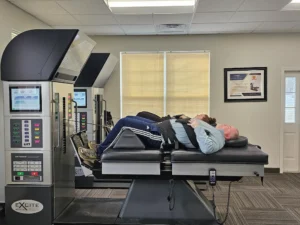
Spinal decompression
Spinal decompression uses computer-controlled traction to gently open space between vertebrae, easing pressure on a compressed or herniated disc. It is the same approach Dr. Sojitra chose for his own herniation. For moderate cases a typical course runs around twelve sessions, with more for severe presentations.
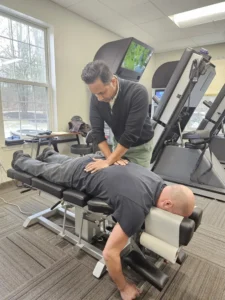
Chiropractic adjustments
When restricted joints and poor motion are part of the picture, targeted adjustments restore movement where the spine has stiffened. Guided by Zone Technique, this is less about “cracking your back” and more about correcting how the whole system moves.
Supporting regenerative therapies
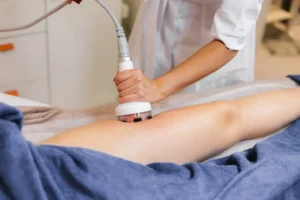
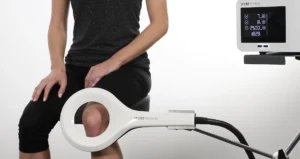
Depending on the case, therapies like SoftWave, cold laser, or EMTT may be layered in to calm inflammation and support tissue healing around the affected area. These get selected based on your evaluation, not offered as a fixed menu.
When back pain needs a medical referral instead
Conservative care helps a lot of people, but not every back is a candidate, and being honest about that matters. Some warning signs point toward a medical or surgical evaluation rather than chiropractic care.
See a physician promptly if you notice loss of bowel or bladder control, progressive weakness in a leg, foot drop, or numbness in the saddle area. Those can signal something that needs urgent medical attention. Dr. Sojitra screens for these red flags during the evaluation and will refer out when that is the right call.
What makes chronic cases the sweet spot here
Plenty of practices are built for quick, acute complaints. This one is not. Dr. Sojitra is often the person patients find after other chiropractors, physical therapy, pain management, and injections have not delivered lasting relief.
Long-standing, complicated back pain is exactly the kind of problem this approach is designed for. If you have been told for years to simply live with it, a proper evaluation may finally connect your symptoms to a cause worth treating.
Common questions about chronic back pain
Can back pain really improve without surgery?
In many cases, yes. When the pain is driven by a disc, joint restriction, or compensation pattern, non-surgical care can address the source directly. Whether it works for you depends on what the evaluation finds.
How long before I notice a difference?
That varies with the cause and how long it has been present. Chronic issues generally take longer than recent ones, and Dr. Sojitra sets realistic expectations once the findings are in.
Tired of managing the same back pain year after year? Contact Princeton Spine Disc and Chiropractic in Skillman, NJ or call (609) 228-9996 to start with a real evaluation.