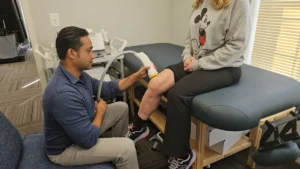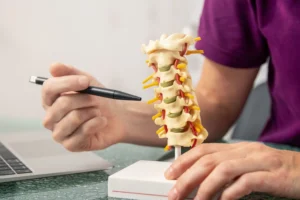

We are dedicated to providing top-tier healthcare solutions tailored to meet the unique needs of each patient.
Understanding Neuropathy: A Comprehensive Guide
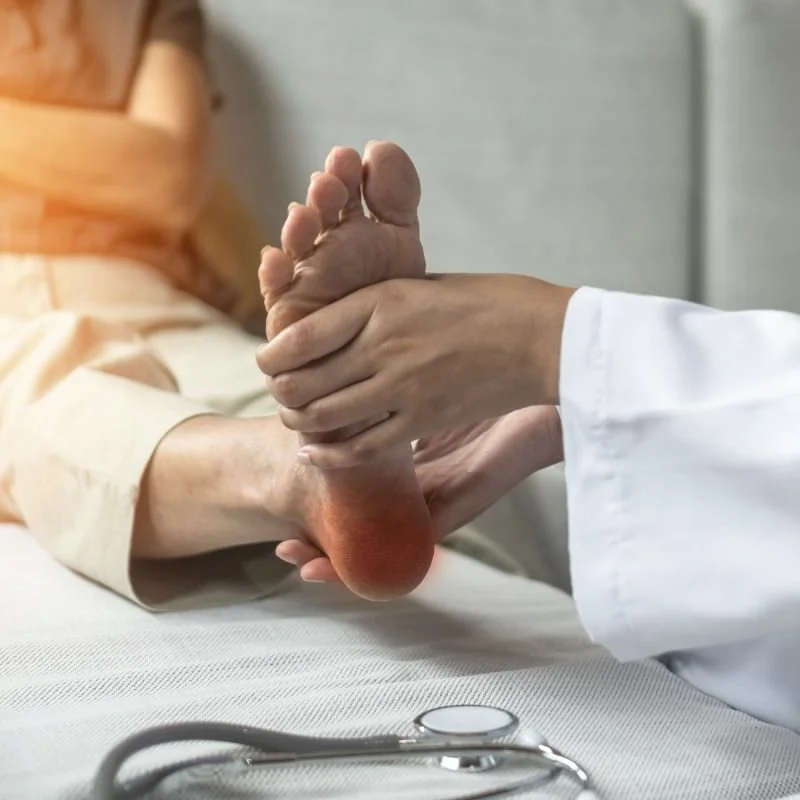
Welcome to Princeton Spine Disc and Chiropractic, where we are dedicated to providing top-tier healthcare solutions tailored to meet the unique needs of each patient. One of the prevalent conditions we specialize in is neuropathy, a complex condition characterized by damage or dysfunction of one or more nerves, leading to pain, numbness, and other symptoms.
What is Neuropathy?
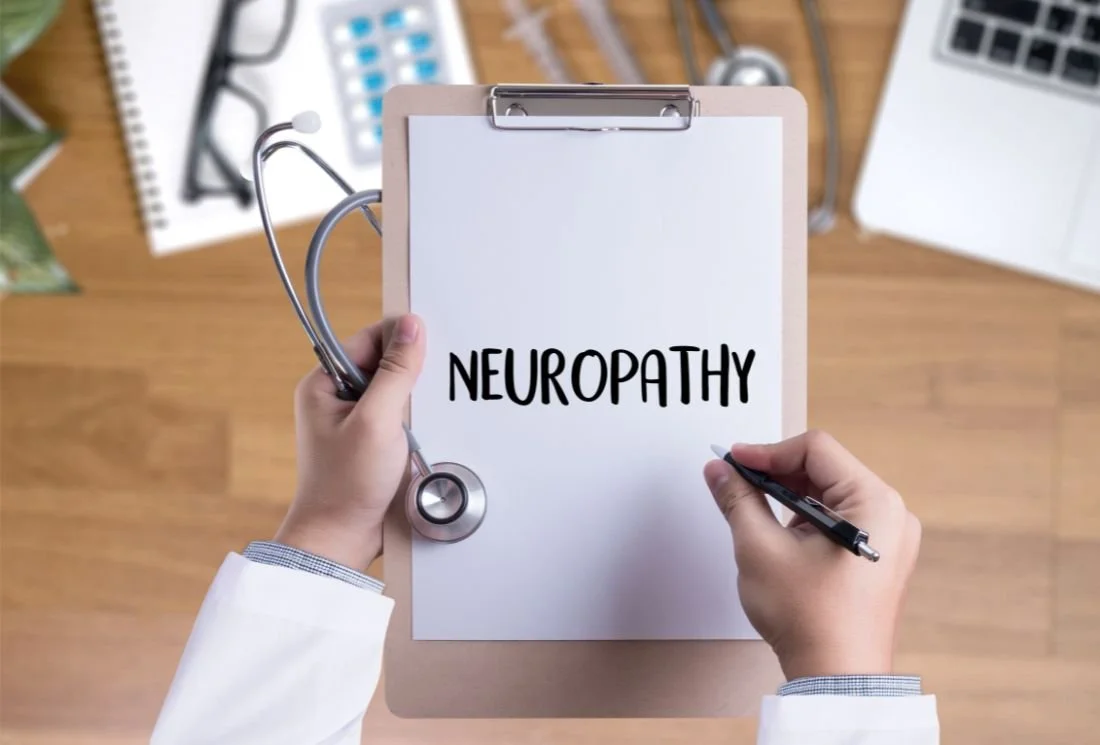
Neuropathy, often referred to as peripheral neuropathy, occurs when peripheral nerves are damaged. These nerves send signals between the central nervous system and the rest of the body. This condition can result in pain, numbness, tingling sensations, and muscle weakness, primarily affecting the hands and feet. It impacts an estimated 20 million people in the United States.
Common Causes of Neuropathy
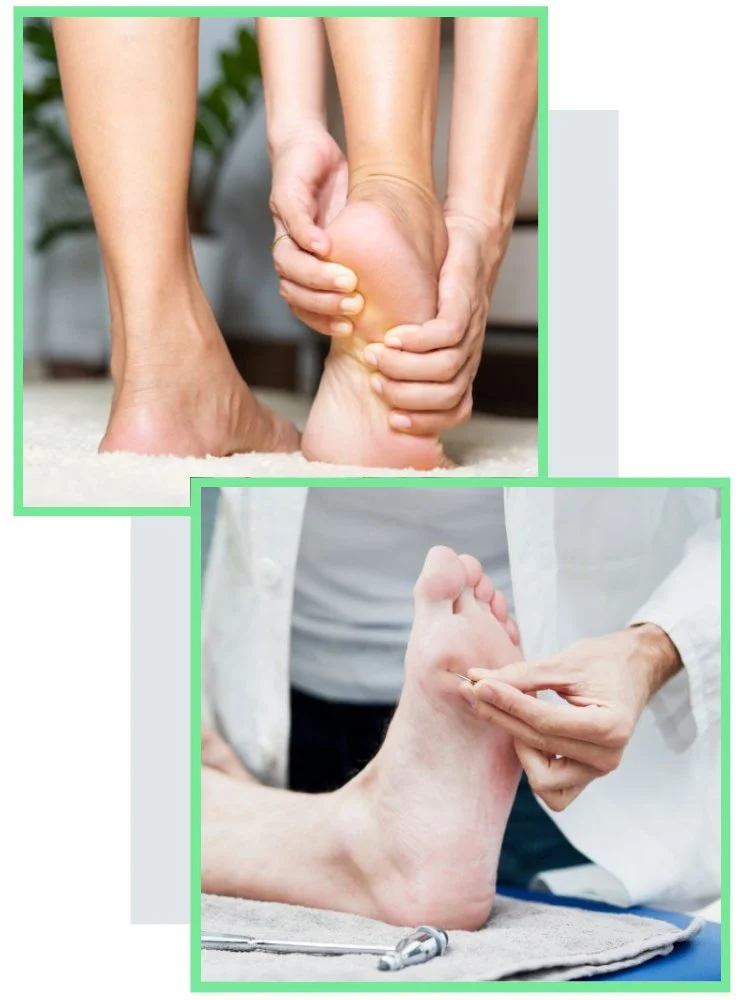
Neuropathy can stem from a variety of causes, with diabetes being one of the most common, accounting for 60–70% of cases. Other causes include:
- Chemotherapy-Induced Neuropathy: Nerve damage from certain chemotherapy drugs.
- Autoimmune Diseases: Conditions like lupus and rheumatoid arthritis.
- Infections: Such as Lyme disease.
- Genetic Disorders: Including Charcot-Marie-Tooth disease.
- Trauma or Pressure: Injuries or repetitive stress.
- Nutritional Deficiencies: Especially lack of B vitamins.
Impact on Quality of Life
Neuropathy can significantly impair quality of life. Patients often experience chronic pain, difficulty walking, and reduced ability to perform daily activities. In severe cases, it may lead to disability.
It may also cause muscle weakness, loss of reflexes, balance issues, and increased risk of falls. Many patients report anxiety and depression due to chronic pain and uncertainty about progression.
The economic burden is also substantial, with treatment costs reaching billions annually in the United States.
Dr. Manish Sojitra, D.C.: A Unique Approach to Neuropathy
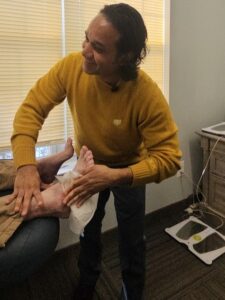
At Princeton Spine Disc and Chiropractic, Dr. Manish Sojitra adopts a holistic, patient-centered approach focused on addressing root causes rather than just symptoms.
Personalized Treatment Plans
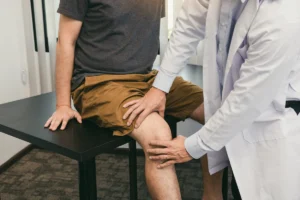
Each patient receives a comprehensive assessment and customized treatment plan based on their specific condition.
Integrative and Holistic Care
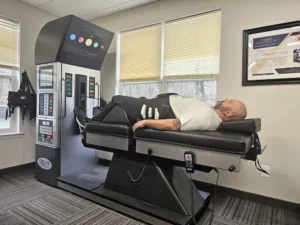
Combining chiropractic care, physical therapy, and advanced nerve treatments to improve nerve function, blood flow, and reduce inflammation.
Patient Education
Patients are empowered with knowledge about their condition and self-care strategies.
Long-Term Wellness
Focus on lifestyle changes, nutrition, and exercises to prevent progression.
Success Stories
Patients frequently report reduced pain, improved mobility, and better overall wellbeing.