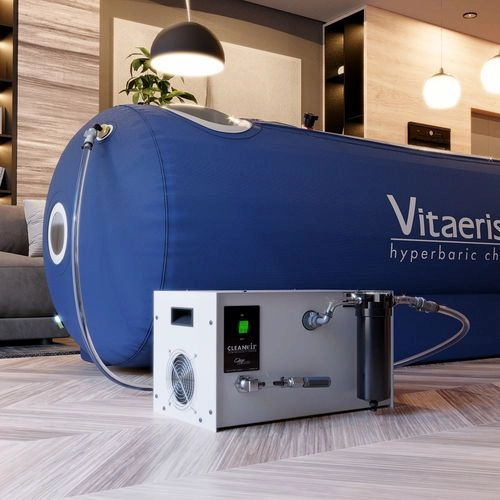
Hyperbaric oxygen therapy, or HBOT, involves resting inside a pressurized chamber that lets your body absorb far more oxygen than it can at normal air pressure. Under pressure, oxygen dissolves directly into your blood plasma and other fluids, reaching tissues that normal circulation cannot fully supply. That extra oxygen can support healing, reduce inflammation, and aid recovery from a range of conditions. At Princeton Spine Disc and Chiropractic in Princeton, NJ, Dr. Sojitra uses HBOT as a foundation that helps the body respond better to other treatments.
How Hyperbaric Oxygen Therapy Works
Normally, most of the oxygen you breathe is carried by red blood cells. That system works well, but it has limits, especially when tissue is inflamed, injured, or short on blood flow.
HBOT changes the math. Inside the chamber, the pressure rises to roughly one and a half to three times normal atmospheric pressure. At that pressure, oxygen dissolves directly into your blood plasma, cerebrospinal fluid, and tissue fluid, so it can reach places red blood cells alone cannot fully serve.
That direct-to-fluid delivery is the key idea. Even when blood flow to an area is compromised, plasma and tissue fluid can still carry oxygen into it. In practical terms, that means oxygen can reach places a normal breath simply cannot push it.
Why More Oxygen Helps the Body Heal
Oxygen is fuel for repair. Cells need it to produce energy, fight infection, build new tissue, and manage inflammation.
When you flood the body’s fluids with extra oxygen, you give struggling tissue more of what it needs to recover. This is why HBOT is used to support healing in situations where circulation or inflammation is part of the problem.
Inflammation is a big part of the story. Many stubborn injuries stall because the tissue stays inflamed and starved of what it needs to move past that stage. Giving it a richer oxygen supply can help the body shift from a holding pattern back into active repair.
None of this is about oxygen being a miracle. It is a basic building block the body already relies on, delivered in a way that reaches tissue more completely. That is a modest idea with meaningful reach when circulation or healing has stalled.
What HBOT Is Used For
At the practice, HBOT is used to support recovery across a range of conditions, including:
- Post-concussion syndrome and traumatic brain injury
- Certain neurological conditions
- Chronic pain and inflammation
- Disc-related pain
- Post-surgical recovery and wound healing
- Poor circulation
- Long COVID and chronic fatigue
- Athletic recovery
The common thread is tissue that needs a better healing environment, whether that is a recovering brain, an inflamed joint, or a slow-healing wound.
HBOT as a Foundation for Other Therapies
Here’s where HBOT fits into the bigger picture at this practice. It is positioned less as a standalone fix and more as the systemic foundation that helps everything else work better.
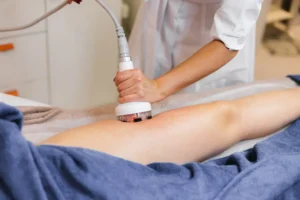
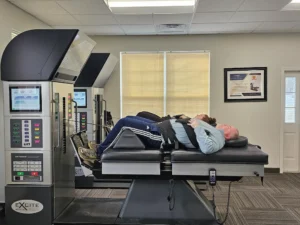
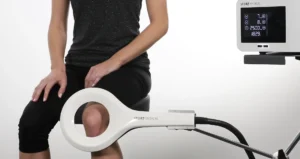
When the body’s tissues are well-oxygenated, regenerative treatments have more to work with. HBOT is often paired with SoftWave therapy and EMTT for tissue and joint recovery, and it supports the healing that follows spinal decompression as well. The idea is to optimize the environment first, then let the targeted therapies do their job.
That combination thinking runs through the whole practice. Rather than treating HBOT as a box to check, Dr. Sojitra uses it to raise the ceiling on what the other therapies can accomplish, especially for complex or slow-healing cases that have not responded to a single treatment on its own.
HBOT and Brain Recovery
One of the areas where HBOT draws the most interest is brain recovery. After a concussion or traumatic brain injury, some brain tissue can be alive but underperforming, held back by swelling and limited oxygen rather than permanent damage.
By dissolving oxygen directly into the fluid around the brain, HBOT can help support that struggling tissue during recovery. This is why post-concussion and traumatic brain injury cases often involve a longer series of sessions, and why HBOT frequently pairs with the practice’s other neurological and nervous-system focused care.
Recovery like this is gradual, and it is not guaranteed. But for the right candidate, supporting the brain’s healing environment over a series of sessions can be a valuable part of a larger recovery plan.
What a Session Is Like
An HBOT session is calm and passive. You settle into the chamber and simply rest, read, or listen to audio while the pressure does the work.
Sessions commonly run sixty to ninety minutes. For neurological or post-concussion conditions, the protocol often involves a larger number of sessions, since the brain tends to respond gradually over a series rather than all at once.
There is no downtime afterward, so you can carry on with your day. Because the benefits build over a series, consistency tends to matter more than any single session, which is worth keeping in mind when planning your schedule.
Is HBOT Right for You?
HBOT is not a cure-all, and it is not the right tool for every situation. Its value is in supporting the body’s own healing, particularly alongside a broader plan, rather than acting as a single solution on its own.
Whether it makes sense for you depends on your condition and your goals, which is what the evaluation sorts out. For anyone weighing options for a stubborn injury or a slow recovery, it can be a useful piece of the plan for patients throughout Princeton and the greater Princeton area.
It tends to appeal most to people who have hit a wall, those recovering from a concussion that has lingered, an injury that will not fully close out, or a chronic condition where inflammation keeps flaring. It is less about chasing a single symptom and more about giving the whole system a better environment to heal in.
Frequently Asked Questions
Is hyperbaric oxygen therapy safe?
For most people it is well tolerated and comfortable. As with any therapy, it is not appropriate for everyone, which is why an evaluation comes first to make sure it is a good fit for you.
What does it feel like inside the chamber?
Most people find it relaxing. You may notice a sensation in your ears as the pressure changes, similar to being on an airplane, and it usually settles quickly.
How many sessions will I need?
It depends on the condition. Recovery-focused and neurological cases often involve a longer series, while other goals may need fewer. Your plan will be based on your specific situation.
Can I combine HBOT with my other treatments?
In most cases, yes. HBOT is often used specifically to support other therapies like SoftWave, EMTT, and decompression, and your plan is built to sequence them in a way that makes sense for your condition.
Explore HBOT as Part of Your Recovery
If a slow-healing injury or lingering recovery has you looking for more support, hyperbaric oxygen therapy may have a role to play. Call the practice at (609) 228-9996 or use our contact page to schedule an evaluation in Princeton, NJ.