Being told your knee is bone-on-bone can make it sound like surgery is the only path left, but that is not always the case. Knee decompression is a non-surgical treatment that gently separates the joint to restore space, ease pressure, and support the tissue around the knee. In Princeton, NJ, Dr. Sojitra often pairs it with SoftWave therapy and other regenerative tools to address knee pain from arthritis, cartilage wear, and old injuries. It will not rebuild every knee, but many people find meaningful relief without an operation.
What “Bone-on-Bone” Actually Means
When a doctor says a knee is bone-on-bone, they usually mean the cartilage that cushions the joint has worn thin, so the bones sit closer together than they should. On an X-ray, the gap between them looks narrow.
That is a real finding, and it can hurt. But the phrase often gets treated as a final verdict, when in practice it describes a condition that can sometimes be managed rather than an automatic sentence to the operating room.
Why That Diagnosis Does Not Always Mean Surgery
Here is the thing: pain and X-ray findings do not always match up neatly. Some people with significant joint narrowing have manageable symptoms, while others with milder wear have a lot of pain. That gap is exactly where non-surgical care can make a difference.
The goal is not to reverse decades of wear overnight. It is to reduce pressure inside the joint, calm inflammation, and support the surrounding tissue so the knee can move and function better. For many people dealing with ongoing knee pain, that improvement is enough to delay or avoid surgery.
What Is Knee Decompression?
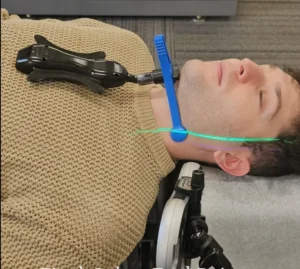
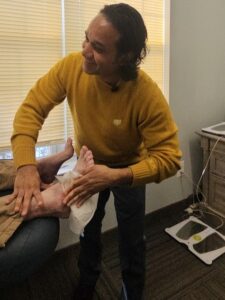
Knee decompression uses gentle, controlled distraction to separate the joint and restore some of the space that wear has taken away. Creating that space eases the pressure that drives bone-on-bone pain and helps improve circulation into the joint.
Sessions are short, usually seven to ten minutes, and comfortable. It is a very different experience from an aggressive stretch, and there is nothing forceful about it.
The Full Knee Protocol
Decompression rarely works alone here. Dr. Sojitra usually builds it into a layered plan so several therapies address the joint from different angles at once.
SoftWave Therapy
SoftWave therapy uses focused acoustic waves to reach deep into the joint and stimulate tissue repair. If you are curious how it compares to standard shockwave, this guide on SoftWave versus shockwave therapy explains the difference.
EMTT
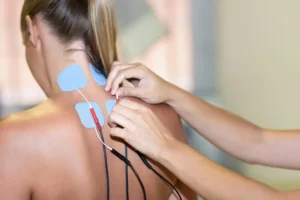
EMTT, delivered with the Storz Magnetolith, sends high-intensity electromagnetic pulses that work from inside the cell to support regeneration. It is safe to use even with surgical hardware like screws or plates, which matters for patients who have already had knee surgery.
Zone Technique Adjustments
Because the knee does not work in isolation, chiropractic care is often part of the plan to address how the hips, pelvis, and lower back load the joint. A knee that is compensating for problems above it will keep getting overloaded until that is addressed.
Who Is a Good Candidate?
Knee decompression can help people with osteoarthritis, cartilage wear, meniscus issues, and post-surgical stiffness, especially those who want to explore options before committing to a replacement. It also suits patients who are not surgical candidates for other health reasons.
To be honest about it, this is not a guarantee. Some knees have degeneration beyond what conservative care can meaningfully change, and part of the evaluation is figuring out whether yours is likely to respond. Dr. Sojitra would rather tell you that up front than sell you a plan that will not help.
What to Expect
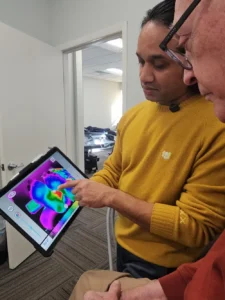
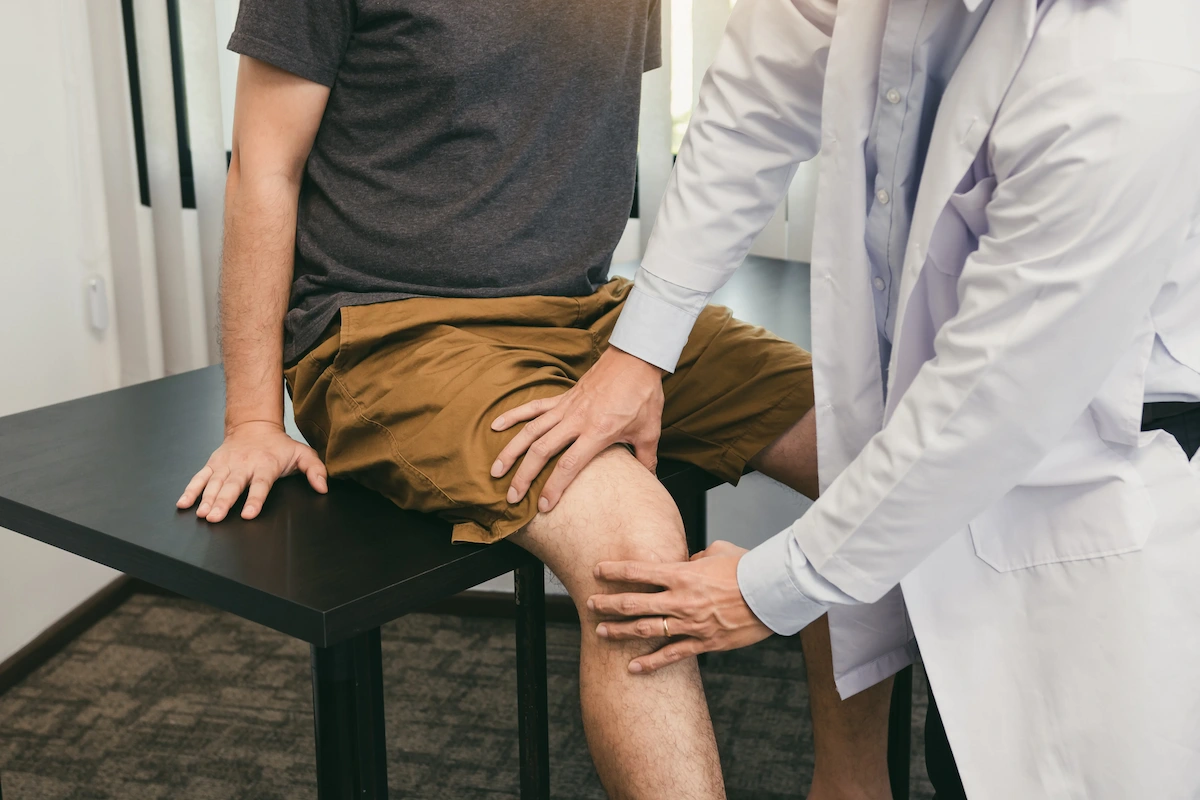
Your first visit is an evaluation, not a treatment. Dr. Sojitra assesses the knee, looks at how the rest of your body is loading it, and only then maps out a plan. Care plans commonly run eight to twelve sessions, with more significant degeneration sometimes needing more.
Patients from across Princeton, Princeton, and the surrounding central New Jersey area come in specifically because they want to try everything reasonable before surgery. That mindset fits this approach well.
Frequently Asked Questions
Does knee decompression hurt?
No. It is a gentle, controlled treatment, and most patients find it comfortable. There is no downtime afterward.
Can it help if I have already had knee surgery?
Often yes, particularly for post-surgical stiffness once you are several months out. Therapies like EMTT are safe to use even with surgical hardware in place.
Will it get rid of my arthritis?
It will not reverse arthritis, but it can ease pressure, reduce pain, and improve how the joint functions. The aim is a knee that works better and hurts less, not a brand new joint.
Explore Your Options Before Surgery
If you have been told your knee is bone-on-bone, it is worth finding out whether a non-surgical path could help. Call the practice at (609) 228-9996 or use our contact page to schedule an evaluation in Princeton, NJ.