Cortisone injections and SoftWave therapy take opposite approaches to joint pain. A cortisone shot works by suppressing inflammation to quiet the pain, often quickly, but it does nothing to repair the underlying tissue and its effect fades. SoftWave therapy in Skillman, NJ instead aims to stimulate the body’s own repair response in the tissue itself. If you keep chasing temporary relief for the same joint, understanding that difference is what changes the game.
How cortisone injections work
Cortisone is a powerful anti-inflammatory. Injected into or near a painful joint, it calms the inflammation that is generating the pain signals, which can bring noticeable relief within days.
That relief is real, and for certain acute flare-ups a shot has its place. But there is a catch worth understanding: cortisone treats the inflammation, not whatever is causing it. The worn cartilage, the irritated tendon, the degenerated joint surface all remain unchanged.
Because the shot does not repair anything, the pain commonly returns as the medication wears off. Repeated injections into the same joint also carry their own concerns over time, which is why many physicians limit how often they will give them.
How SoftWave therapy works
SoftWave therapy comes at the problem from the other end. Rather than suppressing the body’s response, it tries to activate it.
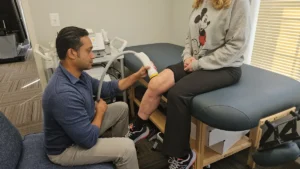
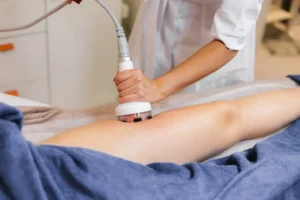
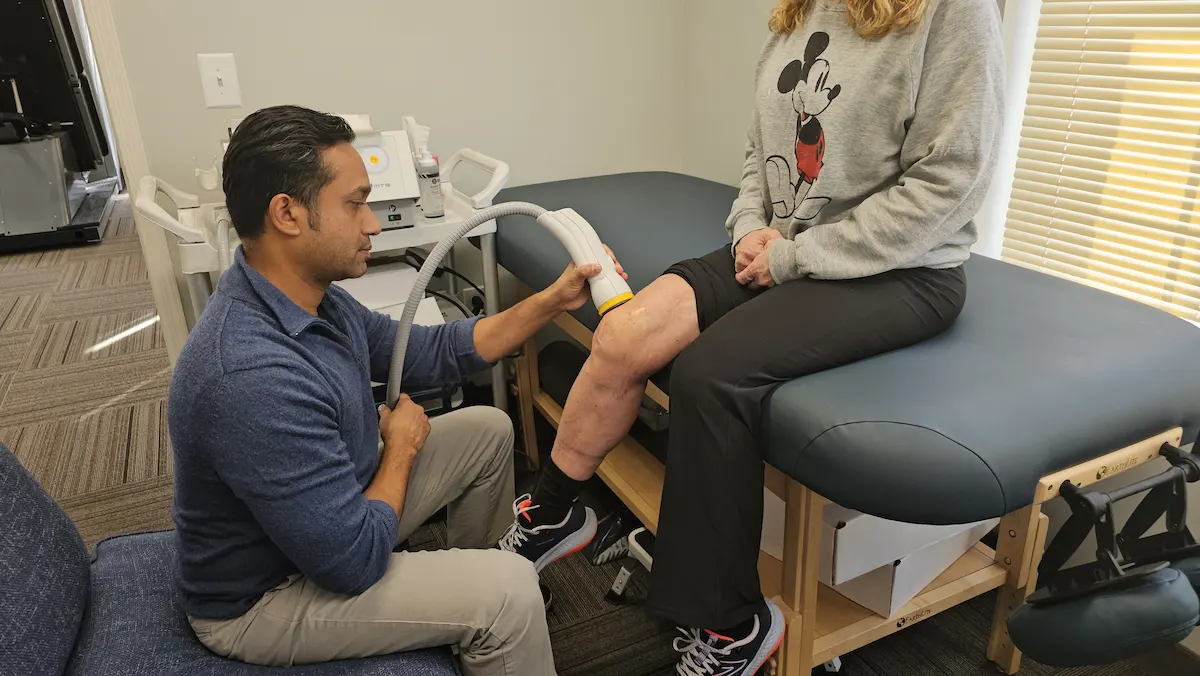
SoftWave uses electrohydraulic acoustic waves, the original technology that later shockwave devices were derived from, to send energy into deep tissue. That energy is thought to trigger the body’s natural repair signaling, drawing healing resources to the area and supporting regeneration in the tissue itself.
Dr. Sojitra was among the first hundred providers nationwide to offer it. It is used for a wide range of stubborn issues, including knee pain, shoulder pain, disc pain, neuropathy, and plantar fasciitis. One practical advantage: it is safe over bone, near organs, on the face, and even for patients with pacemakers, which is not true of every device in this category.
The core difference, in plain terms
Here is the whole comparison in one line: cortisone turns down the alarm, while SoftWave works on the thing setting the alarm off.
A cortisone shot can be the right tool when you need to calm a severe flare fast. SoftWave is aimed at the longer game of actually improving the tissue, which is why it appeals to people who want more than another round of temporary quiet.
They are not always either-or, either. In some cases they serve different roles at different moments in a person’s care. What matters is knowing which one you are getting and why.
What SoftWave is used for at this practice
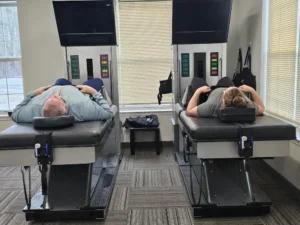
SoftWave is one of the practice’s most-used therapies, and it rarely works alone. Dr. Sojitra frequently pairs it with EMTT, cold laser, or targeted adjustments so the treatments reinforce one another.
It comes up often for cases like:
- Knee pain and osteoarthritis, as part of a fuller joint protocol
- Shoulder, elbow, and other extremity or joint pain
- Chronic tendon issues like plantar fasciitis
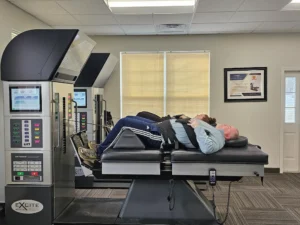
- Disc-related pain and certain forms of neuropathy
Sessions typically run ten to fifteen minutes, and a common course averages around a dozen visits, tapering as the tissue responds. The exact plan follows your evaluation rather than a fixed template.
Which one is right for you?
That depends on your goal and your specific joint. If you want fast, short-term relief from an acute flare and understand it is temporary, cortisone may serve that purpose. If you are tired of the temporary-relief cycle and want to support the tissue itself, SoftWave is worth a serious look.
An honest evaluation is the only way to match the tool to the problem. Some joints have degeneration beyond what any conservative therapy can meaningfully change, and Dr. Sojitra will tell you when that is the case rather than sell you a series that is unlikely to help.
Common questions about SoftWave versus cortisone
Is SoftWave therapy painful?
Most people tolerate it well. You feel the acoustic pulses, but sessions are short and do not require anesthesia or downtime.
Can I try SoftWave if I’ve already had cortisone shots?
In many cases, yes. Prior injections do not necessarily rule out SoftWave, though Dr. Sojitra reviews your history to confirm it fits your situation.
Does insurance cover it?
SoftWave is generally an out-of-network service. The practice keeps its payment information straightforward so you know what to expect before starting.
Want to know whether SoftWave could help your joint pain? Contact Princeton Spine Disc and Chiropractic in Skillman, NJ or call (609) 228-9996 to find out.