Spinal decompression and back surgery both aim to take pressure off a compressed or herniated disc, but they get there in very different ways and carry very different risks. Decompression is non-surgical, gradual, and requires no recovery time, while surgery is a one-time structural fix with real downtime and permanence. For many people in Skillman, NJ, a course of spinal decompression is worth exploring before committing to an operation, though some situations genuinely call for a surgeon. Here is how to think through the choice.
What each approach actually does
These procedures solve the same core problem from opposite directions, so it helps to be clear on the mechanics.
Spinal decompression
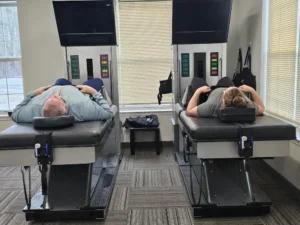
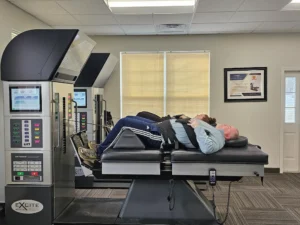
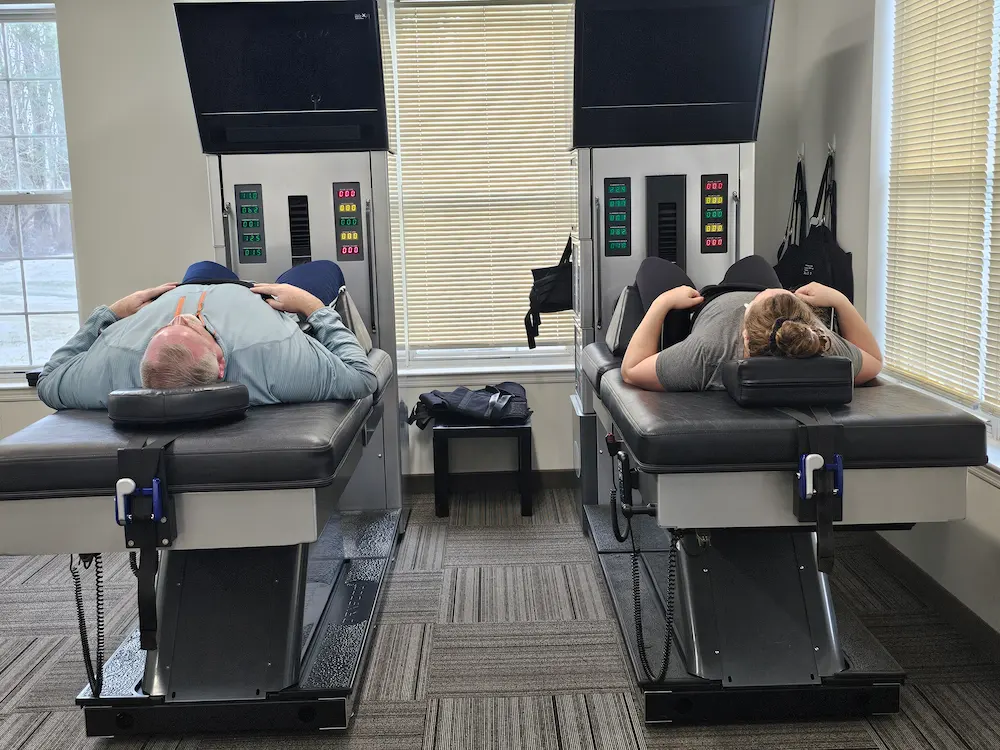
Spinal decompression uses a computer-controlled table to apply precise, gentle traction to the spine. That traction creates negative pressure inside the targeted disc, which can help draw a bulging or herniated portion back and improve the flow of fluid and nutrients into the disc.
It is non-invasive, sessions run around twenty minutes for the lower back, and you walk out and carry on with your day. Nothing is cut, and there is no anesthesia.
Back surgery
Surgical options like a discectomy or fusion physically remove or stabilize the problem tissue. When it works, it can resolve severe compression quickly. But it is permanent, involves anesthesia and incisions, and comes with a recovery period plus the usual surgical risks.
The trade-offs, side by side
Neither option is automatically better. They sit at different points on a spectrum of how aggressive, how reversible, and how demanding the treatment is.
Decompression is low-risk and non-permanent, but it asks for a time commitment across a series of sessions and does not suit every disc. Surgery is faster to a result and sometimes necessary, but it is irreversible and carries the recovery and complication profile any operation does.
A reasonable way to frame it: decompression is often worth trying first when the situation allows, because choosing it does not close the door on surgery later. Choosing surgery first does close the door on avoiding it.
A recovery story worth knowing
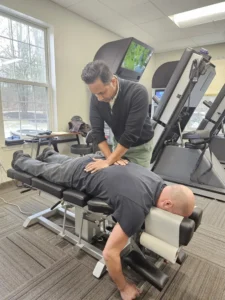
Dr. Sojitra did not just read about this decision. He lived it.
As a practicing chiropractor, he suffered an 11.5mm L5-S1 disc herniation severe enough that he temporarily could not sleep, dress himself, or pick up his young daughter. He chose decompression and chiropractic care over surgery, and his own imaging documented the herniation shrinking to roughly 3.5mm over time.
That experience is a big part of why he leans toward conservative options when they are appropriate. You can read the full story on the Meet Dr. Sojitra page.
When surgery is the right call
Being pro-decompression is not the same as being anti-surgery, and honesty here matters. Certain situations point clearly toward a surgical evaluation, and delaying can cause harm.
See a physician or surgeon promptly if you have loss of bowel or bladder control, rapidly progressing weakness in a leg, foot drop, or numbness in the saddle region. These are red flags that decompression is not designed to handle. Dr. Sojitra screens for them during the evaluation and refers out when that is what your situation requires.
Who tends to be a good candidate for decompression
Decompression tends to fit people with disc-related back pain or sciatica who do not have those urgent red flags and who would rather exhaust non-surgical routes first. It is often a strong option for those who have already tried basic care without lasting relief.
The only way to know if you qualify is a proper evaluation. Dr. Sojitra’s two-day new patient process dedicates the first visit entirely to assessment, so no plan is recommended before your specific case is understood.
Common questions about decompression versus surgery
Does spinal decompression hurt?
Most people find it comfortable, even relaxing. The traction is gentle and gradual, not forceful.
If decompression does not work, can I still have surgery?
Yes. Trying decompression first does not remove surgery as an option later, which is part of why many people start there.
How many sessions does decompression take?
A moderate case often runs around twelve sessions, with more for severe presentations. Your plan is set after the evaluation.
Weighing your options before deciding on surgery? Contact Princeton Spine Disc and Chiropractic in Skillman, NJ or call (609) 228-9996 to see whether decompression fits your case.