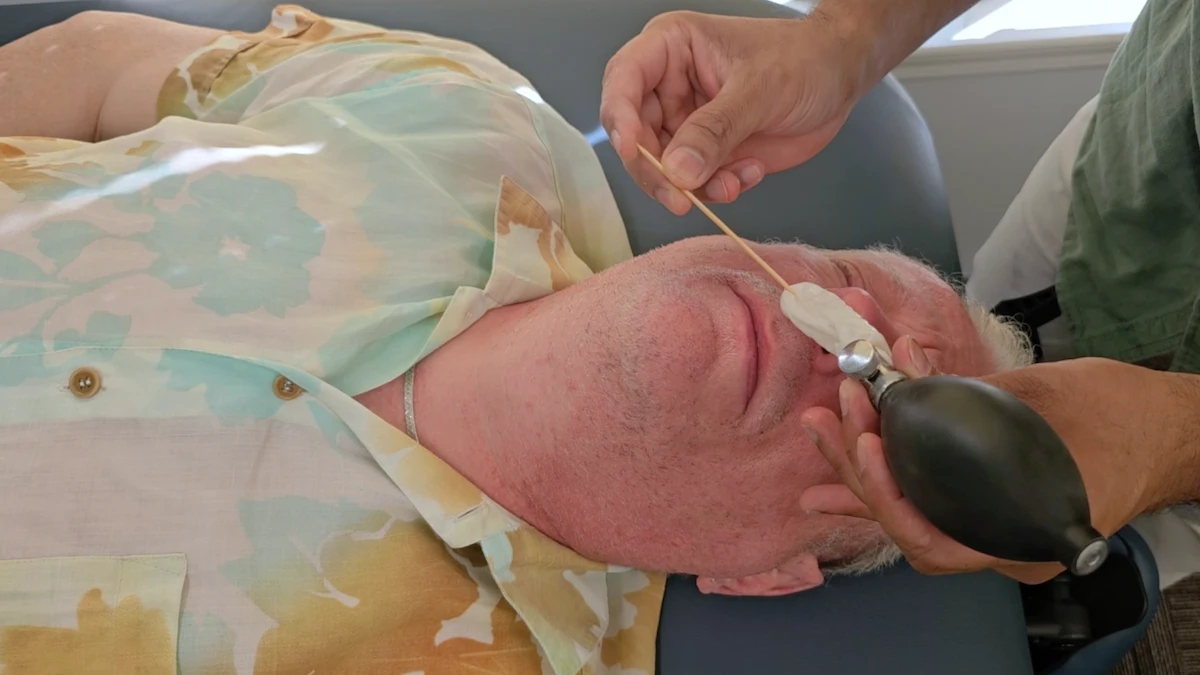
Cranial facial release, often called CFR, is a specialized procedure that uses small nasal balloons combined with intraoral cranial work to release restrictions in the bones and nerves of the skull. Unlike a standard spinal adjustment, CFR targets the cranial nervous system directly, which can influence breathing, brain function, and chronic pain patterns that other treatments have not been able to resolve. Dr. Manish Sojitra at Princeton Spine Disc & Chiropractic in Princeton, NJ is the only provider in New Jersey trained to the highest level of this technique.
What Is Cranial Facial Release, Exactly?
Cranial facial release is a hands-on procedure built around one small but powerful structure: the sphenoid bone. This butterfly-shaped bone sits at the center of the skull, and twelve cranial nerves pass through or around it. When the sphenoid loses its normal position or motion, it can disrupt everything from nasal airflow to the way the brain and nervous system communicate with the rest of the body.
Most chiropractic care focuses on the spine, which represents roughly 20 percent of the nervous system. CFR is designed to reach the other 80 percent, the cranial nerves, cranial bones, and nasal passages that directly influence brain function and breathing. That is a big part of why patients travel from outside New Jersey specifically for this procedure.
How Cranial Facial Release Works
During a cranial facial release session, small balloons are briefly inflated inside the nasal passages. This mobilizes the cranial bones and sutures from within, something that cannot be achieved through external manipulation alone. A full series addresses all six nasal passages, three on each side, and is often paired with intraoral cranial work and SOT technique to address the connection between the skull and the sacrum.
Dr. Sojitra also measures Peak Nasal Inspiratory Flow, or PNIF, before and after each balloon passage. This gives patients an objective, real-time look at how their airway is responding, rather than just relying on how they feel in the moment.
Most patients describe a brief pressure sensation followed by an immediate feeling of opening or release. Many notice improved breathing after just the first passage.
What Conditions Can Cranial Facial Release Help With?
Because CFR addresses the cranial nervous system directly, the list of conditions it can help with is broader than most people expect. Patients in Princeton and throughout the greater Princeton, NJ area seek out CFR for concerns including:
- Chronic sinus congestion, nasal restrictions, and allergies
- Sleep apnea and other breathing-related sleep issues
- Headaches and migraines with a cranial or structural root cause
- TMJ dysfunction and jaw misalignment
- Post-concussion symptoms and brain fog
- Vertigo related to cranial mechanics
- Vagus nerve dysfunction and related dysregulation
- Facial pain, including trigeminal nerve involvement
Many of these patients have already tried other approaches without lasting results. That is often exactly when CFR becomes relevant, since it addresses a part of the nervous system that standard treatment simply is not designed to reach.
Why Dr. Sojitra’s CFR Training Sets Him Apart
Dr. Sojitra is currently the only provider in New Jersey certified at the elite Level 3 CFR training level, the highest certification available directly from the technique’s founder. He attends advanced CFR conferences every year to stay current on the procedure and continues building on his training well beyond the minimum requirements.
That level of training matters here more than it might for other treatments. CFR involves precise, controlled work inside the nasal passages, and the safety and effectiveness of the procedure depends heavily on the provider’s skill and experience. Dr. Sojitra has performed this technique on patients with no nasal septum and significant nasal scarring without major discomfort, which speaks to just how specialized this training actually is.
What to Expect at Your First CFR Visit
Your first visit starts with a standard evaluation, plus the PNIF baseline measurement described earlier. From there, Dr. Sojitra recommends a specific number of series based on your goals and the complexity of your condition. Most patients fall somewhere between one and five series, with straightforward breathing or structural concerns often resolving in a single series and more complex neurological cases benefiting from the fuller protocol.
For patients traveling to Princeton from out of state, a full series can often be completed in a single day or over two to three consecutive days. Local patients sometimes prefer to spread their series across separate visits instead.
Is Cranial Facial Release Right for You?
If you have already tried other treatments for chronic headaches, sinus issues, TMJ pain, or lingering post-concussion symptoms without getting the results you were hoping for, cranial facial release may be worth exploring. It is not a first-line treatment for every patient, but for the right presentation, it can address something that standard spinal adjustments and typical medical care were never designed to reach.
Ready to Find Out If CFR Is Right for You?
If you are dealing with a condition that has not responded to other treatments, reach out to schedule an evaluation with Dr. Sojitra and find out whether cranial facial release could be the missing piece. Contact us today to get started.