DRX9000 Spinal Decompression in Skillman NJ
Spinal Decompression in Princeton, NJ
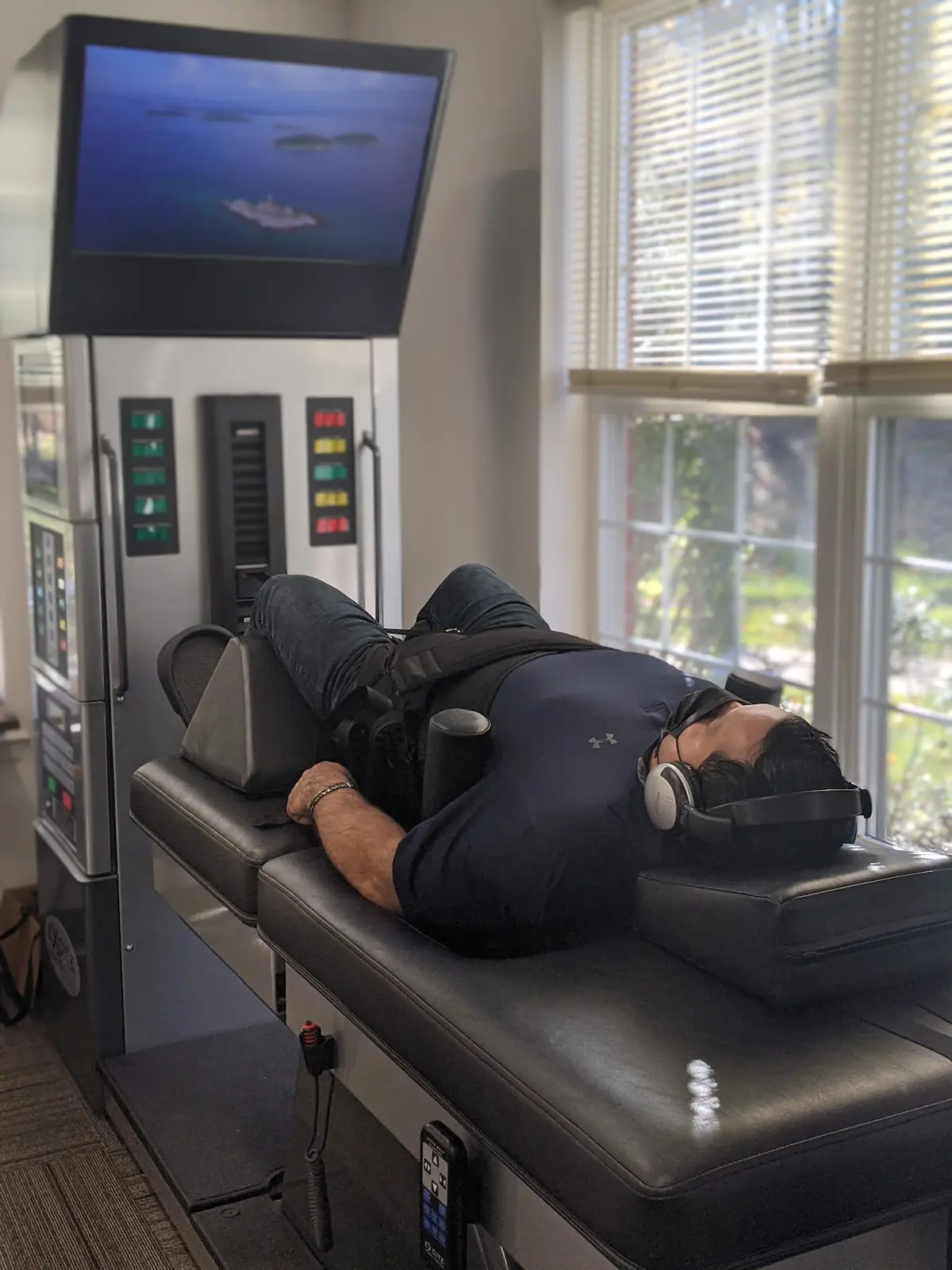
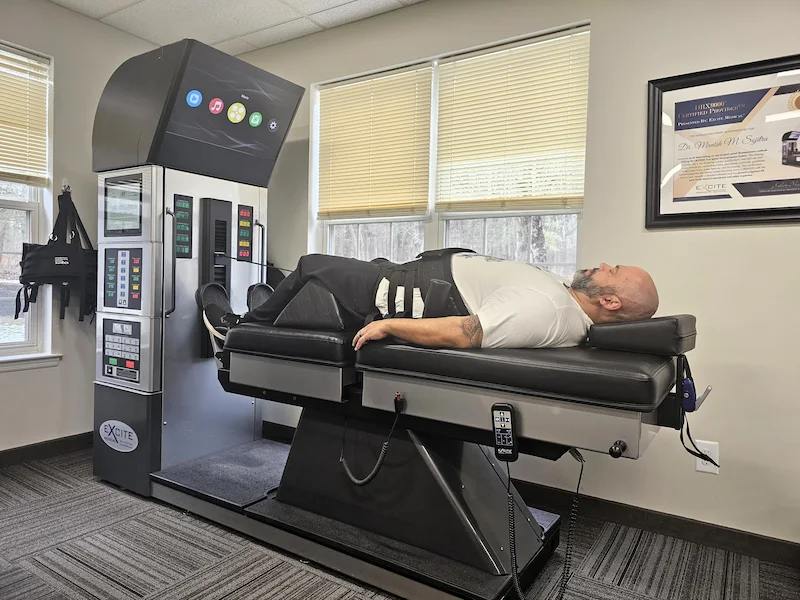
Watch what a real spinal decompression session looks like using our DRX9000 system, built to relieve pressure on damaged discs without surgery or medication. If you’re dealing with a herniated disc, bulging disc, or chronic back pain, this non-surgical option could help you get your life back. Schedule your evaluation today.
Non-Surgical Spinal Decompression in Skillman NJ
For patients suffering from herniated discs, bulging discs, sciatica, degenerative disc disease, or spinal stenosis, non-surgical Spinal Decompression is often the most effective long-term solution rather than a mere alternative to surgery. Using the advanced DRX9000 system, this protocol applies a computer-guided logarithmic traction force at a precise angle to a specific disc level.
This targeted process creates a controlled negative intra-discal pressure that draws herniated material back toward the center, reduces mechanical pressure on compressed nerve roots, and restores vital fluid exchange to facilitate deep tissue repair. Dr. Sojitra brings nearly two decades of clinical experience to this protocol, having successfully resolved his own 11.5mm disc herniation without surgery using this exact technology.
- Computer-controlled traction targets the specific disc level - not a generic lumbar pull
- Negative pressure reduces herniation and takes load off compressed nerve roots
- No surgery, no injections, no downtime between sessions
- Restores fluid and nutrient exchange to support natural disc healing
- Comfortable enough that most patients relax or fall asleep during sessions
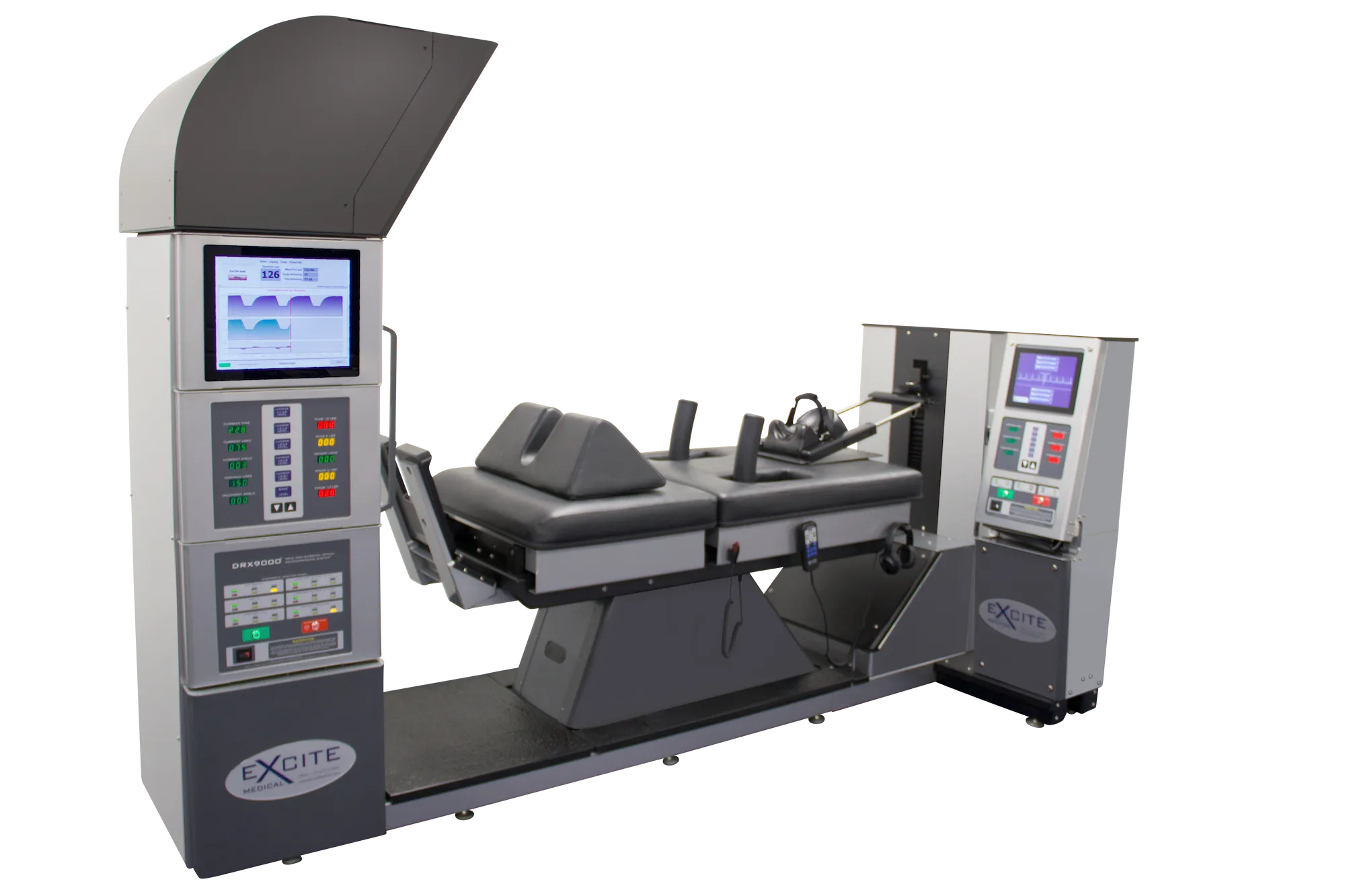
The DRX9000: Advanced Disc Decompression Technology
- Precision Targeting: Computer-controlled angulation isolates the exact lumbar or cervical disc level involved.
- Neuromuscular Integration: Alternating distraction cycles bypass defensive paraspinal muscle guarding.
- Dynamic Monitoring: Real-time feedback mechanisms continuously adjust the protocol based on patient resistance.
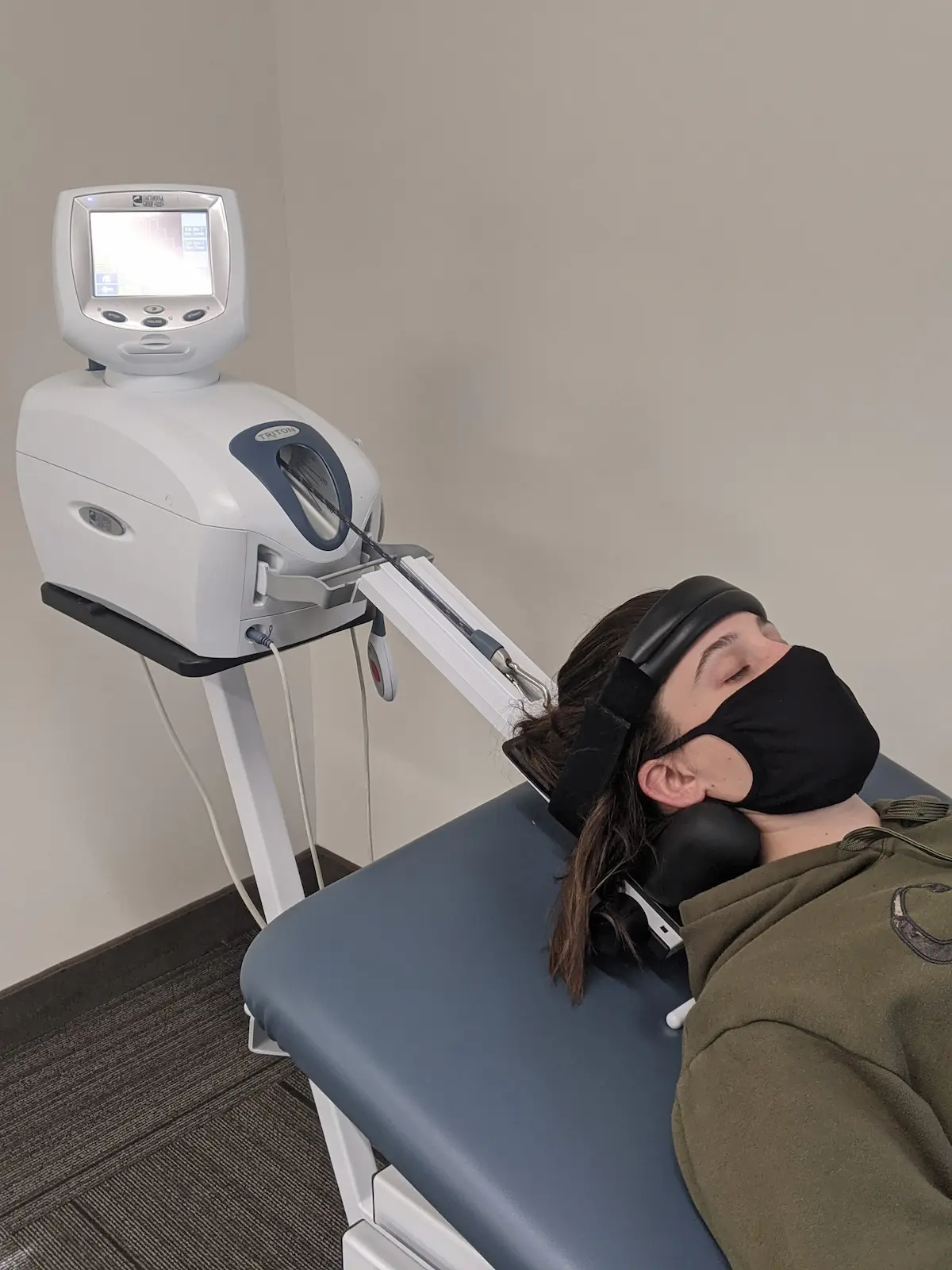
- Anatomical Specialization: Utilizing the Chattanooga Triton DTS system for precise, low-load neck stabilization.
- Practice Efficiency: Dual decompression units eliminate scheduling bottlenecks, ensuring consistent care progression.
What to Expect During a Spinal Decompression Session
Initial evaluation and protocol setup
Positioning and harness fitting
The session
A slow, rhythmic distraction followed by a partial release, repeating over 20 minutes. Most patients describe it as a gentle pulling in the lower back. It is not painful many simply relax.
Post-session:
Session frequency and protocol length
Most patients start at two to three sessions per week. Twelve sessions is a common starting point for moderate cases, with some requiring 16 to 24. Dr. Sojitra will suggest his recommendation based on your specific health exam. He evaluates progress throughout and adjusts accordingly.
Conditions Spinal Decompression Helps in Skillman NJ
Spinal decompression addresses conditions driven by disc compression and nerve involvement the structural problems that standard adjustments can influence but often cannot fully resolve on their own.
- Herniated and bulging discs: DRX9000 decompression creates negative pressure, allowing material to retract, rehydrate, and heal.
- Sciatica: Directly addresses L4-L5 or L5-S1 disc compression and nerve irritation rather than just managing leg pain.
- Degenerative disc disease: Restores fluid exchange in dehydrated discs, slowing degeneration and reducing chronic pain.
- Spinal stenosis: Reduces disc bulging and restores vertebral spacing to lessen canal narrowing.
- Chronic low back pain: Addresses the structural source when pain is driven by disc or facet compression.
- Cervical Disc Conditions: Relieves arm pain, hand numbness, and radiating symptoms via the Chattanooga Triton DTS system.
- Failed Back Surgery Syndrome: Evaluated case-by-case for patients with persistent disc-related pain post-surgery.
Who Is a Good Candidate for Spinal Decompression?
The patients who respond best to DRX9000 decompression are those who have a confirmed disc problem and have not found lasting relief through other approaches or who want to pursue the most effective non-surgical option before considering injections or surgery.
- Chronic disc pain that has not fully resolved with chiropractic adjustments or physical therapy alone
- Herniated or bulging disc confirmed by MRI, CT, or motion analysis X-ray
- Sciatica with radiating leg pain, numbness, or tingling that points to a disc origin at L4-L5 or L5-S1
- Degenerative disc disease causing ongoing pain and mobility limitations
- Patients actively trying to avoid epidural steroid injections or surgical intervention
- Post-surgical patients with continued disc-related symptoms at least six months after surgery, evaluated individually
- Anyone who has been told "just manage it" and is not willing to accept that as an answer
Better Results When Combined
Zone Technique adjustment and decompression
Adjustments help reduce protective muscle guarding around affected disc levels, allowing decompression therapy to work more effectively. Most patients also receive Zone Technique adjustments during the same treatment sequence to support better results.
Cold laser therapy and decompression
Laser therapy reduces the cellular inflammation around the compressed nerve root - the source of the burning, shooting sensation that disc patients know well. Reducing that inflammation helps the decompression correction hold between sessions and speeds the overall healing timeline.
EMTT and decompression
EMTT drives cellular regeneration inside the disc tissue itself, compounding the rehydration and healing that decompression initiates mechanically. For patients with significant disc degeneration, combining EMTT with decompression produces results that decompression alone cannot.
SoftWave and decompression
For disc cases with significant soft tissue involvement - chronic paraspinal muscle guarding, scar tissue from old injuries, or myofascial trigger points contributing to the pain pattern - SoftWave addresses the tissue component while decompression handles the structural one.
Frequently Asked Questions About Spinal Decompression
DRX9000 is often considered the absolute top-of-the-line decompression unit. Standard traction applies a non-specific pull to the lumbar spine. The DRX9000 targets the exact disc level using a computer-controlled angle and force, alternates between distraction and relaxation cycles to prevent muscle guarding, and monitors patient response in real time. The difference in clinical outcomes is significant.
Moderate herniations typically start with a 12-session protocol. More severe or long-standing cases may require 16 to 24 sessions. These are general guidelines and not law. Dr. Sojitra gives a specific recommendations for your situation on Day 2 and re-evaluates progress throughout.