Vagus Nerve Dysfunction and Stimulation in Skillman NJ

The vagus nerve is the longest cranial nerve in the body and it touches nearly every major organ system. When it is not functioning well, the effects show up as anxiety, poor digestion, irregular heart rate, brain fog, and more and most patients have no idea a nerve is involved.

When the Problem Is the Nerve Nobody Talks About
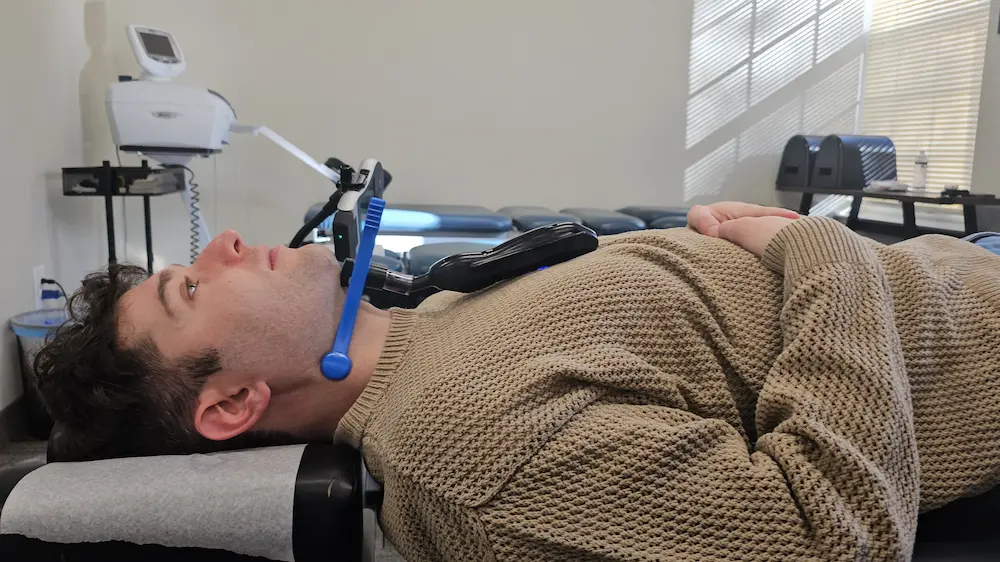
A man lies on a treatment table with a medical device attached to his head and neck, wearing a brown sweater.
Anxiety that medication never fully resolves. Digestive issues specialists can’t explain. An unpredictably fluctuating heart rate. Brain fog chalked up to stress or poor sleep. A nervous system stuck in low-level alarm no matter how much rest is pursued. These presentations share a common thread conventional medicine rarely identifies: the vagus nerve.
The vagus nerve is the tenth cranial nerve, the longest in the body, running from the brainstem through the neck, chest, and abdomen. It is the primary conduit of the parasympathetic nervous system, the rest-and-digest, calm-and-repair system that counterbalances fight-or-flight. When vagal tone is healthy, the body moves efficiently between activation and recovery. When it’s impaired from physical trauma, chronic stress, concussion, spinal dysfunction, or neurological disease, the body gets stuck in chronic sympathetic dominance. Digestion slows, heart rate variability decreases, sleep deteriorates, and anxiety becomes a baseline rather than a response.

Dr. Sojitra has been working with vagus nerve dysfunction for years before it became a mainstream conversation. The tools he uses for vagal support are not supplements or breathwork alone. They are the same neurological and regenerative tools used across his entire practice, targeted specifically at the nerve and the spinal structures that influence its function.

Chronic anxiety or heightened stress response that does not resolve with standard interventions

Digestive dysfunction - bloating, irregular motility, IBS-type symptoms without a clear structural cause

Heart rate irregularities or poor heart rate variability

Brain fog, poor concentration, or cognitive fatigue

Post-concussion symptoms where the nervous system has not fully recovered

Chronic fatigue that is disproportionate to activity levels

Sleep disruption driven by an inability to fully downregulate

What the Vagus Nerve Actually Controls

The vagus nerve originates in the brainstem, exits the skull near the base of the occiput directly adjacent to C1 and travels through the neck and thorax, branching extensively into the heart, lungs, stomach, intestines, liver, kidneys, and spleen. Through these connections it regulates:

When vagal function is compromised by cervical dysfunction at C1, concussion, chronic stress, or neurological degeneration the downstream effects touch every system it regulates. This is why vagal dysfunction produces the constellation of seemingly unrelated symptoms that frustrate both patients and providers.

Vagus Nerve Stimulation and Support in Skillman NJ

Dr. Sojitra addresses vagus nerve dysfunction through a combination of structural correction, direct nerve stimulation, and neurological tools that work with the vagal pathway rather than around it.

01

Zone Technique and Upper Cervical Adjustments

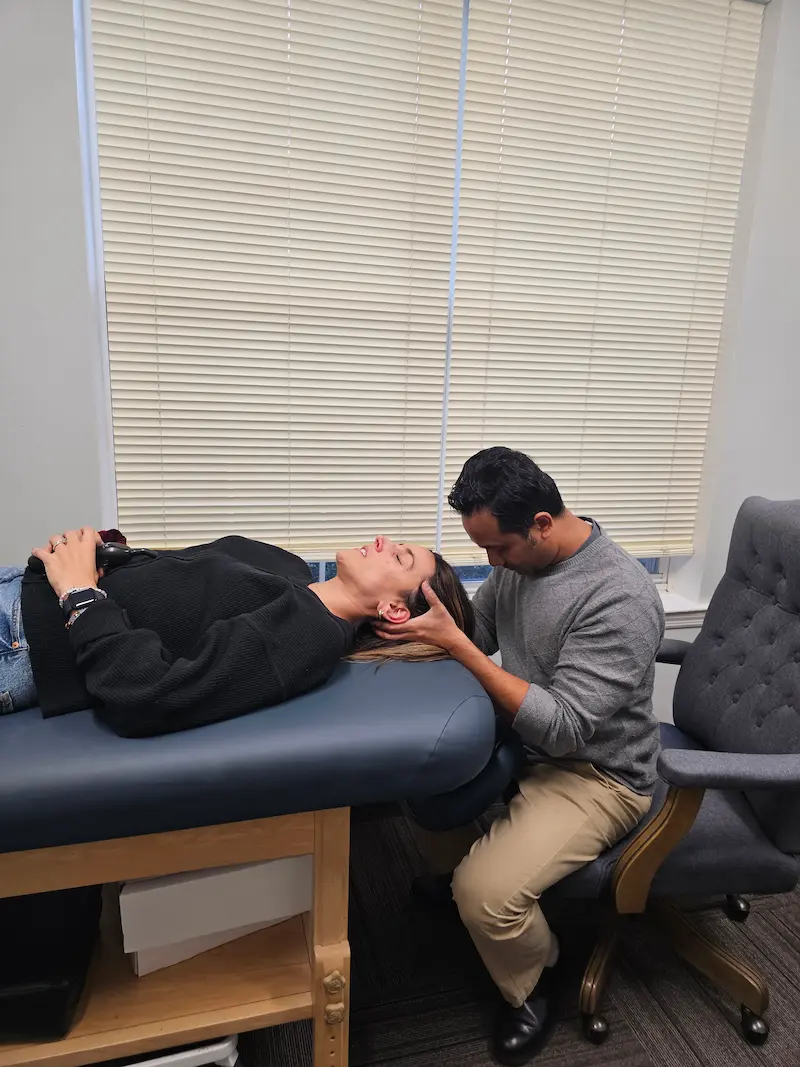
The vagus nerve passes through the upper cervical region near C1, so restrictions in this area can affect vagal function. Zone Technique analysis helps identify neurological stress patterns, while upper cervical adjustments at C1 and C2 restore proper joint mechanics and reduce interference affecting vagal signaling. Learn more about chiropractic care and Zone Technique.

02

Vagus Nerve Technique

A simplified functional neurology technique specifically targeting the anterior C1 region where the vagus nerve exits the upper cervical canal distinct from a standard cervical adjustment. Most relevant for patients presenting with autonomic dysfunction, anxiety, digestive dysfunction, or post-concussion neurological symptoms.

03

NeuFit Therapy

NeuFit’s direct current therapy is applied along specific vagal pathway landmarks to support vagal tone restoration. It mirrors the nervous system’s own signaling and complements the structural correction being done with adjustments particularly valuable for significant autonomic dysregulation or post-concussion vagal dysfunction. Learn more about NeuFit therapy.

04

NMS-460 Stimpod

Applied at specific nerve pathway points relevant to vagal function, the Stimpod uses radiofrequency to recruit and strengthen the nerve fibers involved in vagal signaling complementing Zone Technique adjustments and NeuFit stimulation through a different neurological mechanism.

05

Cranial Facial Releas

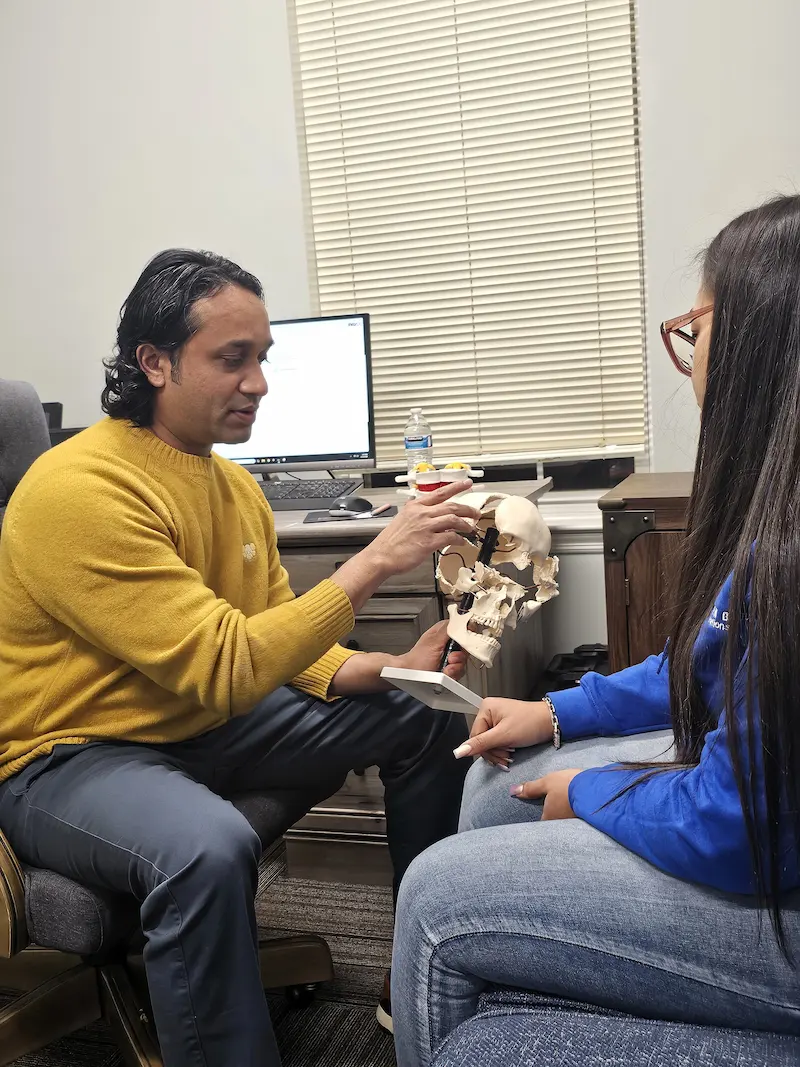
The vagus nerve exits through the jugular foramen at the base of the skull. Restrictions in this area common with concussions or chronic cervical tension can affect vagal function. Cranial Facial Release (CFR) helps mobilize these structures and improve the mechanical environment around the vagal exit point. Learn more about Cranial Facial Release.
A man in a yellow sweater demonstrates a human skull model to a woman in a blue shirt, seated in an office.

Why Post-Concussion Patients Often Have Vagal Dysfunction

Post-concussion syndrome, the persistent neurological symptoms that follow a concussion even after the initial injury has healed, is one of the most common presentations at this practice where vagal dysfunction is a primary driver.

A concussion disrupts the brainstem and upper cervical region simultaneously. The brainstem is where the vagus nerve originates. The upper cervical spine is where it exits the skull and passes through the neck. When both structures fail to fully recover, the result is the symptom constellation post-concussion patients know well: brain fog, fatigue, anxiety, sleep disruption, digestive upset, headaches, and light and sound sensitivity persisting long after the acute injury.

Standard post-concussion management, including rest, gradual return to activity, and vestibular therapy, addresses some symptoms without targeting the vagal dysfunction driving them. Zone Technique upper cervical adjustments, vagus nerve technique, NeuFit, CFR, and cold laser address the structural and neurological components of post-concussion vagal dysfunction at a level rest and time cannot reach.

Learn more about Cranial Facial Release.

Your Vagus Nerve Evaluation at Princeton Spine Disc and Chiropractic

Vagus nerve dysfunction evaluation combines standard Zone Technique and neurological assessment with specific autonomic nervous system analysis.
The Nerve Express assessment is particularly valuable because it provides objective data on autonomic function before care begins and allows measurable tracking of improvement throughout the protocol.
A man performing a manual therapy technique on a woman's head as she lies on an examination table.

Frequently Asked Questions About Vagus Nerve Dysfunction

What is vagus nerve dysfunction and how does it cause so many different symptoms?
The vagus nerve is the tenth cranial nerve, running from the brainstem through the neck, chest, and abdomen. It is the primary conduit of the parasympathetic nervous system, the rest-and-digest system that counterbalances fight-or-flight. When vagal tone is impaired from physical trauma, chronic stress, concussion, or spinal dysfunction, the body gets stuck in chronic sympathetic dominance. Digestion slows, heart rate variability decreases, sleep deteriorates, and anxiety becomes a baseline rather than a response.
How do I know if my headaches are coming from my neck?
The pattern offers the clearest clues. Headaches consistently worse after desk work, driving, or screen time suggest cervical involvement. Headaches starting at the skull base and radiating forward, or improving with heat on the neck, strongly suggest cervicogenic origin. Headaches that began or worsened after a car accident or neck injury should always be evaluated for a cervical component.
Will I need to stop taking my headache or anxiety medications?

No. Chiropractic care at this practice is always complementary to medical management, never a replacement. If reducing reliance on daily medication is a goal of care, that is a conversation to have with your prescribing physician as symptoms improve.

How many visits before I notice a difference?
For tension and cervicogenic patterns contributing to vagal dysfunction, many patients notice reduced frequency or intensity within the first few weeks. Chronic patterns present for years take longer to shift. Dr. Sojitra sets specific expectations at the Day 2 visit based on findings and duration of the pattern.
Is it safe to get adjusted when I have a headache or feel anxious?
In most cases, yes. Upper cervical adjustments during an active cervicogenic headache often provide immediate relief. For severe migraine episodes with nausea and significant neurological symptoms, Dr. Sojitra may choose a gentler technique or defer until the acute episode passes.
Still have questions? We are happy to help.Have questions about your specific neuropathy situation? We are happy to help.